
 +86-23-65764808
Views: 0 Author: Site Editor Publish Time: 2026-03-13 Origin: Site


Surgical handpieces are crucial instruments in the medical and dental fields, enabling surgeons to perform precise procedures. Among the various types of surgical handpieces, the straight handpiece holds a special place in oral surgery. This tool provides essential advantages for oral surgeons, helping them perform delicate and accurate procedures like tooth extractions, dental implants, and bone shaping. This article explores why straight handpieces are the preferred choice for oral surgeons and their numerous benefits.
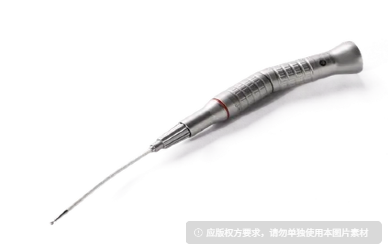
A straight handpiece is a specialized surgical instrument used primarily in dental and oral surgeries. Unlike other handpieces, such as contra-angle handpieces, straight handpieces feature a linear, straight design, making them easier to control during surgical tasks that require high precision.
To understand why straight handpieces are favored in oral surgery, it's important to compare them with contra-angle handpieces, which have a different design:
Straight handpieces have a shaft that runs straight from the motor, providing more direct control over the tool's movement. This is especially useful when performing tasks that require precise, linear motion, such as drilling into bone or shaping tissues.
Contra-angle handpieces, on the other hand, have a 90-degree bend in their shaft, which makes them better suited for procedures in tight or hard-to-reach spaces. The angled design can help access deeper or more complex areas but can be harder to control for precision work.
A typical straight handpiece consists of several key components:
Motor: The motor provides the necessary power to the handpiece. Depending on the handpiece, this motor can be powered by electricity, compressed air, or a battery.
Handle: The handle is the part that the surgeon grips during surgery. It is often ergonomically designed to reduce hand fatigue during long procedures.
Head: The head contains the mechanism that holds the cutting tool or drill bit. It is designed to hold and rotate the tool at high speeds.
Straight handpieces provide numerous benefits in oral surgery, making them the tool of choice for many oral surgeons. Some of the key advantages include enhanced precision, improved ergonomics, and increased flexibility in performing different procedures.
Straight handpieces are designed to offer precise control, which is crucial when performing delicate tasks such as tooth extractions, implant placement, and bone reshaping. Their straight design allows surgeons to have a clear line of sight and full control over the handpiece’s movement. This is particularly important when working in small or sensitive areas of the mouth.
Straight motion: Unlike contra-angle handpieces, which can have some degree of motion variation due to their angled design, straight handpieces allow the surgeon to move in a direct line, which is vital for ensuring accuracy and minimizing errors.
High torque: Straight handpieces typically provide high torque, allowing them to perform tasks requiring significant power without sacrificing control or precision. This is particularly beneficial during procedures that involve drilling through hard bone or dense tissue.
Oral surgeons often work for extended periods during surgeries, which can lead to hand fatigue if the handpieces are not designed with ergonomics in mind. Straight handpieces are often crafted with features that reduce hand strain:
Lightweight design: Straight handpieces are generally lighter than other handpieces, reducing the strain on the surgeon’s hands and wrists during long procedures.
Ergonomic grip: Many straight handpieces have ergonomically shaped handles designed to fit comfortably in the surgeon's hand, preventing hand fatigue and improving overall control.
The reduced fatigue allows surgeons to focus on the task at hand without the distraction of discomfort, leading to better performance and patient outcomes.
Straight handpieces are versatile tools, capable of being used in a wide range of oral surgical procedures. Their straight design allows them to be used in areas where other handpieces may be too bulky or difficult to maneuver. Here are a few examples of how straight handpieces can be applied:
Tooth extraction: Straight handpieces can assist in drilling and cutting through bone or tissues during tooth extractions, especially when the tooth is deeply embedded in the bone.
Implant placement: When preparing the site for a dental implant, straight handpieces provide the precision needed for creating accurate holes or grooves in the jawbone.
Bone shaping and contouring: Straight handpieces are effective for contouring and reshaping bone, particularly when there is a need for smooth, straight cuts.
The ability to perform a variety of tasks makes the straight handpiece an indispensable tool in the oral surgeon’s arsenal.
Oral surgeons rely on straight handpieces to perform a wide array of procedures. Their precision and versatility make them ideal for both minor and major surgical tasks in the mouth.
Tooth extractions are one of the most common procedures in oral surgery, especially for wisdom teeth or severely decayed teeth. Straight handpieces are used to help remove teeth in the following ways:
Drilling and cutting: When a tooth is deeply impacted in the bone, the straight handpiece is used to drill through the bone and cut the tooth into smaller pieces for easier removal.
Bone removal: In some cases, bone around the tooth needs to be removed to facilitate extraction. The straight handpiece offers high precision when performing this task.
Dental implant placement requires accuracy to ensure the implant is inserted at the correct angle and depth. A straight handpiece plays a significant role in this procedure:
Preparing the implant site: Straight handpieces are used to drill precise holes in the jawbone, where the dental implant will be placed. This ensures that the implant fits securely and aligns properly with the surrounding teeth.
Oral surgeons often need to reshape or contour the bone during various procedures, including tooth extractions, implant placement, or corrective jaw surgery. Straight handpieces provide the necessary control to modify bone structures with precision, allowing for smoother contours and better-fitting dental prosthetics.
When selecting a straight handpiece, oral surgeons must consider several factors to ensure the tool suits their needs and the procedures they perform.
The type of motor in a straight handpiece plays a significant role in its performance:
Electric motors: Provide consistent power, making them ideal for precise and controlled movements.
Pneumatic motors: Offer high power and durability, making them a good choice for procedures that require substantial force.
Battery-operated motors: Offer portability and flexibility, although they may have less power than electric or pneumatic models.
The motor type should be chosen based on the surgeon’s specific needs and the complexity of the procedures they perform.
Straight handpieces come with various settings for torque and speed, which are crucial for different types of surgeries:
High torque is necessary for tasks that require power, such as bone drilling and shaping.
Variable speed allows surgeons to adjust the handpiece to match the task at hand, ensuring optimal precision and control.
Choosing a handpiece with the right torque and speed settings ensures that the surgeon can handle a variety of procedures effectively.
To ensure that straight handpieces continue to perform well over time, regular maintenance and care are necessary. Here are some essential tips for maintaining these tools:
Regular cleaning and sterilization are critical to maintaining a straight handpiece’s functionality and patient safety. After each use:
Disassemble the handpiece: Remove any detachable parts to ensure thorough cleaning.
Clean the handpiece: Use a brush or ultrasonic cleaner to remove debris and tissue from the handpiece.
Lubricate: Apply lubricant to the moving parts to keep them functioning smoothly.
Sterilize: Use an autoclave or chemical sterilization method to ensure the handpiece is free from contaminants.
To prolong the life of the straight handpiece:
Store properly: Keep the handpiece in a cool, dry place, away from moisture and heat, to avoid damage.
Regular servicing: Have the handpiece serviced by a professional to check for any issues and perform necessary repairs.
Avoid overuse: Ensure that the handpiece is used within its specified limits to prevent wear and tear.
Straight handpieces provide better precision, control, and comfort compared to other handpieces, making them ideal for delicate tasks such as tooth extractions, bone shaping, and implant placement.
Yes, straight handpieces are versatile tools used in a wide range of oral surgeries, including tooth extractions, dental implants, bone reshaping, and other procedures requiring precision and control.
The main difference lies in their design. Straight handpieces have a direct shaft, providing better control for precise movements, while contra-angle handpieces have a 90-degree bend, making them more suitable for accessing tight spaces.
Regular cleaning, lubrication, sterilization, and proper storage are essential for maintaining a straight handpiece. It's also important to have the handpiece regularly serviced by a technician to ensure it remains in good working order.
Straight handpieces are indispensable tools in oral surgery, offering oral surgeons the precision, control, and ergonomic comfort necessary for performing delicate procedures. From tooth extractions to implant placements, these handpieces enhance surgical efficiency and patient outcomes. By understanding the key benefits and maintenance requirements of straight handpieces, oral surgeons can ensure the longevity and optimal performance of their tools, contributing to successful surgeries and improved patient care.


 +86-23-65764808