
 +86-23-65764808
Views: 0 Author: Site Editor Publish Time: 2025-11-30 Origin: Site


Imagine peering inside the human body without making a single incision. This is the power of endoscopy. It's a crucial tool in modern medical facilities, offering minimally invasive diagnostic and therapeutic options. In this post, you'll learn about the essential endoscopy equipment that ensures accurate and safe procedures in today's healthcare settings.
A modern medical facility's endoscopy suite relies on several key pieces of equipment to perform accurate and safe procedures. Understanding the core components helps ensure the right tools are in place for effective diagnosis and treatment.
Flexible EndoscopesThese are the workhorses of endoscopy, designed to navigate the body's natural curves. Their bendable insertion tubes allow access to areas like the gastrointestinal tract, airways, and urinary system. They feature a distal tip equipped with a camera and light source to capture real-time images. Flexible endoscopes are essential for procedures such as colonoscopy, gastroscopy, and bronchoscopy.
Rigid EndoscopesThese have a solid, non-bending structure, providing clearer images and durability. They are often used in surgical settings for laparoscopy, arthroscopy, and other minimally invasive surgeries. Their straight design allows for precise manipulation in open cavities or joints. Rigid scopes are favored when superior image quality and instrument stability are critical.
Endoscopes need bright, consistent illumination to visualize internal structures clearly. The choice of light source impacts image quality, heat generation, and energy efficiency.
Halogen Light SourcesTraditional halogen lamps provide warm, steady light but have shorter lifespans and generate more heat.
Xenon Light SourcesXenon lamps deliver intense, white light with excellent color rendering, enhancing tissue visualization. Their brightness makes them popular in many endoscopy suites, though they consume more energy.
LED Light SourcesLEDs are becoming the preferred choice due to their long life, low heat output, and energy efficiency. They offer stable illumination and reduce maintenance costs over time.
| Feature | Halogen Light | Xenon Light | LED Light |
|---|---|---|---|
| Brightness | Moderate | High | High |
| Color Rendering | Warm light | Excellent color rendering | Stable, bright light |
| Energy Efficiency | Low | Moderate | High |
| Heat Output | High | High | Low |
| Lifespan | Short | Moderate | Long |
| Maintenance Cost | High (due to shorter lifespan) | Moderate | Low |
Video ProcessorsThese devices receive the image signals from the endoscope's camera and convert them into high-quality digital video. Modern processors often include features like image enhancement, zoom, and color correction to improve diagnostic accuracy.
MonitorsHigh-resolution monitors display the live video feed during procedures. Facilities should invest in HD or 4K monitors that provide clear, crisp images, enabling physicians to detect subtle abnormalities. Some advanced systems offer adjustable color modes to highlight vascular or mucosal details.
Together, these core components—endoscopes, light sources, video processors, and monitors—form the foundation of any modern endoscopy setup. Selecting high-quality, compatible equipment ensures optimal performance, patient safety, and diagnostic precision.
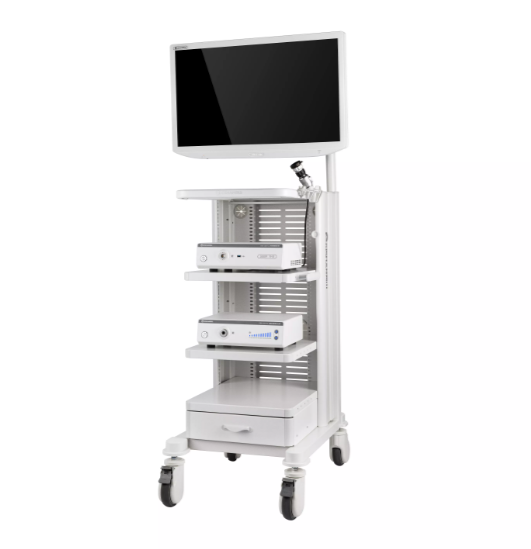
Modern medical facilities benefit greatly from advanced endoscopic devices that enhance diagnostic accuracy and procedural efficiency. These tools go beyond the core equipment, offering new capabilities and improved patient outcomes.
Ultrasound endoscopes combine traditional endoscopy with ultrasound imaging. This hybrid device allows physicians to see beyond the surface of tissues, providing detailed images of internal organ layers and surrounding structures. It’s especially useful in detecting tumors, cysts, or other abnormalities that standard endoscopes might miss.
For example, in gastrointestinal procedures, an ultrasound endoscope can reveal the depth of a lesion or involvement of nearby lymph nodes. This insight helps doctors plan precise treatments or biopsies. These scopes typically have a small ultrasound probe near the tip, which emits sound waves and captures echoes to create real-time images.
Keeping accurate records of endoscopic procedures is crucial for patient care and legal compliance. Digital documentation systems automate this process by capturing, storing, and organizing videos, images, and reports from endoscopic procedures.These systems integrate seamlessly with hospital electronic health records (EHR) and allow quick retrieval of past procedure data. They also support annotations and measurements directly on images, helping physicians track disease progression or treatment response over time.By digitizing documentation, facilities reduce paperwork, minimize errors, and enhance communication among healthcare teams. This also aids in research and quality improvement initiatives.
High-definition (HD) imaging systems significantly improve the clarity and detail of endoscopic visuals. Technologies like Narrow Band Imaging (NBI), i-SCAN, or Blue Light Imaging enhance the contrast of mucosal surfaces and blood vessels, making it easier to spot subtle abnormalities.For instance, NBI uses specific light wavelengths to highlight vascular patterns, which can indicate early cancerous changes. These imaging enhancements lead to earlier detection and more targeted biopsies, improving patient outcomes.Many HD systems also support 4K resolution, providing ultra-clear images that allow physicians to distinguish fine textures and colors. This level of detail is essential during complex diagnostic or therapeutic procedures.
In addition to core and advanced devices, endoscopy procedures require various supporting tools and accessories. These instruments help perform specific tasks such as tissue sampling, lesion removal, and bleeding control. Having a complete set of reliable accessories ensures smooth, efficient procedures and better patient outcomes.
Biopsy ForcepsThese tiny, scissor-like instruments pass through the working channel of an endoscope. They enable physicians to collect tissue samples from suspicious areas for pathological examination. Biopsy forceps come in different sizes and jaw types—such as alligator, oval, or cup-shaped—to suit various tissue types and locations. High-quality forceps provide precise cutting with minimal trauma, which is crucial for accurate diagnosis.
Endoscopic ScissorsScissors are essential for cutting tissue, polyps, or adhesions during therapeutic procedures. They allow controlled dissection in confined spaces inside the body. Endoscopic scissors are designed to be maneuvered through the endoscope’s channel and often feature rotatable shafts for better angle control. Using sharp, durable scissors reduces procedure time and improves safety.
Electrodes are crucial for electrosurgical procedures in endoscopy, allowing for tissue removal, coagulation, and hemostasis.
Types of Electrodes:
Monopolar Electrodes: Deliver current through tissue to a grounding pad on the patient.
Bipolar Electrodes: Provide precise cutting and coagulation with both electrodes on the same tool.
Applications:
Polypectomy and Tumor Ablation for removing growths or tumors.
Hemostasis to stop bleeding during procedures.
Electrodes enhance precision, reduce bleeding, and make endoscopic surgeries more effective and minimally invasive.
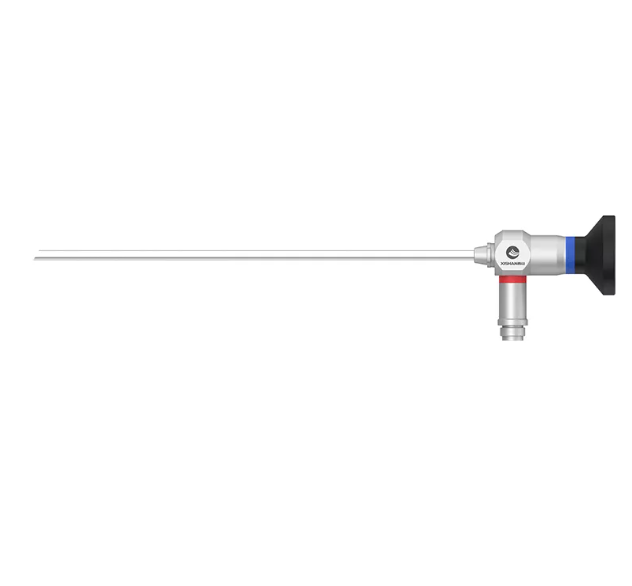
SnaresSnares are looped wire devices used to encircle and remove polyps or other growths. Once positioned around the target tissue, the snare tightens, allowing the physician to excise the lesion cleanly. Some snares are equipped with electrocautery capability to simultaneously cut and coagulate tissue, reducing bleeding risk. Choosing the right snare size and shape depends on the lesion’s size and location.
GraspersGraspers are forceps-like tools designed to hold, retrieve, or manipulate tissue or foreign bodies during endoscopy. They come in various tip designs—such as rat tooth, alligator, or tripod—to suit specific tasks. For example, graspers help remove polyps, biopsy specimens, or obstructing objects safely without damaging surrounding tissues.
Electrocautery DevicesControlling bleeding during endoscopic procedures is vital. Electrocautery tools use electrical current to coagulate blood vessels and cut tissue. These instruments can be integrated with snares or used independently through the endoscope’s working channel. Modern electrocautery units offer adjustable power settings and modes (cut, coagulate, blend) for precise tissue management.
Thermal Coagulation ProbesThese probes deliver heat to bleeding sites, sealing vessels and stopping hemorrhage. They are especially useful in gastrointestinal bleeding cases. Thermal probes are designed to be flexible and compatible with endoscopes, allowing targeted treatment without invasive surgery.
Together, these supporting instruments enhance the capabilities of the core endoscopy system, enabling both diagnostic sampling and therapeutic interventions. Selecting high-quality, compatible accessories tailored to your facility’s procedural needs is essential for effective patient care.
When equipping a modern medical facility's endoscopy suite, choosing between disposable and reusable equipment is a crucial decision. Both types have unique advantages and drawbacks that impact patient safety, cost, and workflow efficiency.
Advantages:
Reduced Cross-Contamination Risk: Disposable tools are single-use, eliminating the chance of transmitting infections between patients. This is especially important in high-risk environments.
No Sterilization Needed: Since disposables are discarded after use, the facility saves time and resources on cleaning and sterilization processes.
Consistent Quality: Each disposable item is brand new, so performance is reliable without concerns about wear or damage from previous use.
Convenience: Disposable equipment simplifies workflow, reducing turnaround time between procedures.
Disadvantages:
Higher Long-Term Costs: While disposables may save on sterilization, purchasing new items for every procedure can add up, increasing operating expenses.
Environmental Impact: Single-use devices generate more medical waste, raising concerns about sustainability and disposal regulations.
Limited Functionality: Some disposable tools may not offer the same precision or durability as reusable counterparts, potentially affecting complex procedures.
Pros:
Cost-Effective Over Time: Though the initial investment is higher, reusable instruments become more economical with frequent use.
Superior Quality and Performance: Reusable tools often provide better tactile feedback, precision, and durability, essential for delicate procedures.
Environmentally Friendly: Reusing equipment reduces medical waste and supports sustainable healthcare practices.
Wide Range of Options: Many specialized reusable instruments are available, tailored for specific diagnostic or therapeutic needs.
Cons:
Requires Rigorous Sterilization: Proper cleaning after each use is mandatory to prevent infections, demanding trained staff and specialized sterilization equipment.
Potential for Wear and Damage: Repeated use can degrade instruments, affecting performance and safety if not regularly inspected and maintained.
Turnaround Time: Reprocessing reusable tools can delay procedure scheduling if insufficient inventory exists.
Initial Capital Outlay: High-quality reusable equipment requires significant upfront investment.
| Aspect | Disposable Equipment | Reusable Equipment |
|---|---|---|
| Cost | Higher long-term cost | More economical over time |
| Cross-Contamination Risk | Low, single-use | Requires sterilization |
| Quality | Consistent, but less durable | Superior quality, more durable |
| Environmental Impact | Higher waste generation | Environmentally friendly |
| Maintenance | No maintenance | Requires sterilization and care |
Proper maintenance and care of endoscopic equipment are vital to keep your tools safe, effective, and long-lasting. Even the best equipment can fail or cause infections if not properly handled. Here’s what every modern medical facility should focus on:
After each use, endoscopes and accessories must be cleaned and sterilized thoroughly. This process usually starts with manual cleaning to remove visible debris. Specialized brushes clean channels and surfaces inside the scope. Then, automated endoscope reprocessors (AERs) disinfect and rinse the equipment using approved chemical solutions. It is essential to follow manufacturers’ instructions closely to avoid damaging delicate parts.
Sterilization prevents cross-contamination and infection. Using detergents and disinfectants compatible with your equipment is key. Also, ensure water used in cleaning is filtered and free from contaminants. Drying the endoscopes completely after cleaning reduces microbial growth during storage.
Regular inspections help catch wear, damage, or malfunctions early. Check insertion tubes, light guides, and cameras for cracks or discoloration. Leak testing is crucial to detect any breaches that could allow fluid inside the scope, risking internal damage and infection. Inspect valves, connectors, and working channels for proper function.
Schedule professional servicing at least every six months or as recommended. Technicians can recalibrate cameras, replace worn parts, and update software. Keeping a maintenance calendar ensures no equipment is overlooked.
Maintaining detailed records of cleaning, inspections, repairs, and usage is essential for compliance and quality control. Electronic tracking systems can log each endoscope’s serial number, procedure history, and maintenance dates. This data helps trace equipment if infection issues arise and supports audit requirements.
A robust tracking system also improves workflow by ensuring equipment is available and ready when needed. It reduces the risk of using unsterilized or faulty devices, protecting patient safety.
A modern medical facility requires essential endoscopy equipment, including endoscopes, light sources, video processors, and monitors. Having the right tools is crucial for accurate diagnosis and effective patient care. Maintaining and choosing the right equipment supports a facility's operational efficiency. Companies like Xishan offer high-quality endoscopy solutions, ensuring reliability and performance. Their products enhance patient outcomes and streamline medical procedures, providing significant value to healthcare providers.
A: Endoscopy is used for diagnosing and treating conditions within the gastrointestinal tract, airways, and urinary system by providing real-time images of internal structures.
A: Flexible endoscopes are essential because they navigate the body's natural curves, allowing access to areas like the gastrointestinal tract and airways, crucial for procedures like colonoscopy and bronchoscopy.
A: LED light sources benefit endoscopy equipment by offering long life, low heat output, and energy efficiency, providing stable illumination and reducing maintenance costs.
A: High-definition imaging systems improve endoscopic visuals' clarity and detail, enhancing the detection of subtle abnormalities and improving diagnostic accuracy.


 +86-23-65764808