
 +86-23-65764808
Views: 0 Author: Site Editor Publish Time: 2026-03-23 Origin: Site


Surgical probes are essential tools used in various medical procedures to explore, examine, and treat tissues. Choosing the right material for these tools is crucial as it directly impacts the probe’s durability, biocompatibility, cost, and performance. Two of the most commonly used materials in surgical probes are stainless steel and titanium. Both materials offer unique advantages and disadvantages, and understanding their properties is essential for selecting the best option for your facility’s needs. This article will explore the differences between stainless steel and titanium surgical probes, helping you make an informed decision when purchasing probes for your medical practice.
Stainless steel is one of the most widely used materials in medical instruments due to its durability, strength, and resistance to corrosion. It is a versatile and cost-effective choice for surgical probes, offering a balance between performance and affordability.
Strength: Stainless steel is known for its strength and resistance to deformation, making it suitable for heavy-duty use.
Corrosion Resistance: Stainless steel resists rust and corrosion to a certain extent, which is essential for surgical tools exposed to moisture and sterilization.
Affordability: Compared to titanium, stainless steel is more budget-friendly, making it a popular choice for medical facilities.
Benefit | Details |
Durability | Stainless steel probes are highly durable and can withstand long-term use. |
Cost-Effective | Stainless steel probes are more affordable, reducing the overall expense for medical facilities. |
Easy to Sterilize | Stainless steel is easily sterilized, ensuring the tool is safe for reuse in surgeries. |
Versatility | These probes are suitable for a wide range of surgical applications. |
Weight: Stainless steel is heavier than titanium, which may lead to hand fatigue during extended procedures.
Susceptible to Corrosion Over Time: While stainless steel is resistant to corrosion, it may degrade over time, particularly in harsh sterilization environments or after repeated exposure to bodily fluids.
Titanium is a material widely recognized for its exceptional properties, making it a preferred choice in the manufacturing of surgical probes. It is especially valuable in high-precision surgeries that require lightweight and durable tools. Titanium surgical probes provide several advantages, such as superior strength, resistance to corrosion, and biocompatibility, all of which contribute to their reliability and effectiveness in various surgical procedures.
Titanium is known for its remarkable strength-to-weight ratio and exceptional resistance to corrosion, making it an ideal material for surgical probes. This unique combination of characteristics allows titanium to excel in medical environments where both durability and precision are critical. Titanium is particularly favored for delicate surgeries, where lighter tools are needed to improve maneuverability while ensuring durability and stability.
Lightweight: Titanium is significantly lighter than stainless steel, which makes it an ideal choice for surgeons who need precise control over their tools. The reduced weight helps reduce hand fatigue during long procedures, allowing for better control and comfort.
Corrosion Resistance: One of the standout features of titanium is its exceptional corrosion resistance. Unlike stainless steel, which can corrode over time due to exposure to bodily fluids or frequent sterilization, titanium remains stable and functional, even in harsh environments. This resistance makes it especially suitable for prolonged exposure to moisture and sterilization procedures.
Biocompatibility: Titanium is one of the most biocompatible materials available for surgical tools. This means that it is unlikely to cause allergic reactions or irritation when it comes into contact with human tissues. Titanium’s biocompatibility ensures that it can be used safely in the body without causing harm or complications.
Titanium surgical probes offer several key benefits that make them a superior choice in many surgical settings. Below are some of the primary advantages of using titanium probes:
Benefit | Details |
Lightweight | Titanium probes are lighter, reducing hand fatigue and improving control during surgery. This feature enhances the surgeon’s ability to perform precise movements with minimal effort. |
Corrosion-Resistant | Titanium’s superior corrosion resistance ensures that probes maintain their structural integrity and performance even when exposed to bodily fluids and frequent sterilization processes. |
Biocompatibility | Titanium is highly biocompatible, making it ideal for patients with sensitive tissues or those who may be at risk for allergic reactions to other materials, such as stainless steel. |
Strength-to-Weight Ratio | Titanium’s superior strength-to-weight ratio makes it perfect for high-precision procedures where the surgeon requires control and strength, particularly in minimally invasive surgeries. |
These benefits make titanium a top choice for surgical probes, especially in procedures where precision, durability, and patient safety are of utmost importance.
While titanium offers numerous advantages, there are some drawbacks to consider when choosing titanium surgical probes for your facility. Understanding these limitations is important when balancing the benefits with the associated costs.
Titanium is significantly more expensive than stainless steel. This higher cost may not be suitable for every medical facility, especially those that have strict budget constraints. The price of titanium probes is typically a reflection of the advanced manufacturing processes involved, as well as the superior material properties it offers.
Higher Initial Investment: Medical facilities may have to make a higher initial investment when opting for titanium surgical probes. However, this cost could be justified in the long term by the tool’s durability and performance, particularly in high-demand surgical settings.
Titanium is a harder material to machine than stainless steel. It requires specialized equipment and processes, which can increase the manufacturing time and cost of surgical probes. The difficulty in machining titanium may also affect the design and complexity of the probes, limiting the options available.
Manufacturing Challenges: Due to its hardness, titanium requires more precise machining, which increases the overall production cost. Probes made from titanium may take longer to manufacture, making them less affordable for medical institutions that require large quantities of tools.
Despite these drawbacks, titanium’s unique advantages make it the ideal material for high-precision surgical probes, especially in fields such as orthopedics, neurosurgery, and minimally invasive surgery.
When deciding between stainless steel and titanium for surgical probes, several factors need to be considered, including strength, durability, cost, and biocompatibility. The following comparison will help you understand how each material performs in different key areas.
Both materials offer excellent strength, but titanium has the edge when it comes to corrosion resistance and overall durability over time.
Material | Strength | Durability |
Stainless Steel | High | Good, but may corrode over time with frequent sterilization and exposure to moisture. |
Titanium | Excellent | Extremely durable with high resistance to corrosion, even in harsh environments. |
Stainless steel is the more affordable option, making it the preferred material in many healthcare settings, especially where budget constraints are present. On the other hand, titanium is a premium material that comes with a higher price tag.
Material | Cost |
Stainless Steel | Lower initial cost |
Titanium | Higher initial cost |
Both materials can be effectively sterilized, but stainless steel is easier to maintain and more cost-effective in the long term due to its simpler manufacturing process.
Material | Sterilization | Maintenance |
Stainless Steel | Easily sterilized, but may corrode over time with excessive exposure to heat and chemicals. | Low maintenance but may require more frequent replacements over time. |
Titanium | Easily sterilized, with superior corrosion resistance. | Requires less frequent maintenance due to its durability. |
Titanium is a superior material when it comes to biocompatibility. It is more likely to be non-reactive with body tissues, reducing the risk of complications, particularly in sensitive procedures.
Material | Biocompatibility |
Stainless Steel | Good, but some variations of stainless steel may cause allergic reactions in sensitive patients. |
Titanium | Excellent, rarely causes allergic reactions or irritations. |
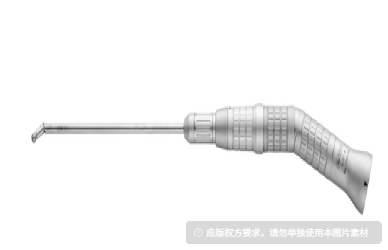
The type of surgical procedure is one of the most important factors to consider when choosing between stainless steel and titanium probes. For high-precision, delicate surgeries, titanium may be the better option due to its lightweight and superior biocompatibility. For more routine procedures or when cost is a concern, stainless steel may be sufficient.
While stainless steel is more affordable, titanium offers superior performance in terms of durability, strength, and biocompatibility. Consider the long-term value and performance requirements of the surgical probes when making your decision.
If your facility performs high-volume surgeries or needs probes that will last longer with less maintenance, titanium is the better choice. However, if the budget is a major concern and you’re dealing with less demanding procedures, stainless steel can provide good performance with lower upfront costs.
Stainless steel is stronger and more affordable, while titanium is lighter, more corrosion-resistant, and biocompatible but costs more.
Titanium is better for long-term use due to its superior corrosion resistance and strength, ensuring better durability over time.
Yes, titanium is highly biocompatible and unlikely to cause allergic reactions, making it ideal for patients with sensitivities.
Titanium is more expensive due to its complex manufacturing process, lightweight properties, and exceptional corrosion resistance, which provides superior long-term value.
Choosing the right material for surgical probes is an important decision that impacts both the performance of the tools and the overall success of the procedures. Stainless steel and titanium each have distinct advantages, and the best choice depends on factors such as the type of surgeries performed, the need for precision, the available budget, and the facility’s maintenance capabilities.
While stainless steel is an excellent choice for routine, cost-effective procedures, titanium offers superior benefits for high-precision, sensitive surgeries where biocompatibility and durability are critical. Ultimately, understanding the specific needs of your facility and the advantages and drawbacks of each material will help ensure that you make the best choice for your surgical team and patients.


 +86-23-65764808