
 +86-23-65764808
Views: 0 Author: Site Editor Publish Time: 2026-03-24 Origin: Site


Endoscopy procedures are critical in diagnosing and treating various medical conditions. These procedures often require a range of specialized instruments, tools, and equipment to be readily available and organized for the physician or medical team. One key piece of equipment that ensures the efficiency and smooth flow of the procedure is the endoscopy trolley. This article will explore the purpose, types, key features, and considerations when selecting an endoscopy trolley for medical facilities.
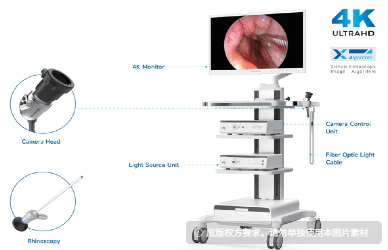
An endoscopy trolley is a mobile storage unit specifically designed to support and organize the various equipment used in endoscopic procedures. These trolleys are equipped with multiple storage options and compartments to keep instruments, medical tools, and accessories neatly arranged and easily accessible during the procedure.
Endoscopy trolleys typically have the following features:
Shelving and Drawers: Multiple compartments to store different tools and equipment such as endoscopes, forceps, biopsy tools, and other surgical instruments.
Adjustable Heights: Some trolleys come with adjustable heights to ensure that medical professionals can easily access the equipment while seated or standing.
Swivel Wheels: Most endoscopy trolleys come with swivel wheels for easy movement, allowing the trolley to be conveniently repositioned during procedures.
Power Supply: Many modern trolleys have built-in power sources for powering endoscopic cameras and other devices during the procedure.
Sterilization Features: Materials used in the construction of the trolley are typically resistant to cleaning agents and designed for easy sterilization, reducing the risk of contamination.
The trolley’s design is tailored to meet the demands of medical professionals during endoscopic surgeries by organizing tools, improving workflow, and enhancing patient care.
The role of an endoscopy trolley in medical facilities goes beyond just organization. It ensures that the entire team has easy access to the equipment needed to perform precise and effective endoscopic procedures. An efficient trolley system can significantly improve the flow of the procedure and the overall surgical experience.
An endoscopy trolley helps reduce time spent searching for instruments. With all tools organized and within easy reach, the medical team can move quickly between different stages of the procedure. For example, if a biopsy needs to be taken during the procedure, the medical professional can immediately access the biopsy forceps and other instruments without having to leave the patient’s side.
Having all necessary equipment in one location also reduces the risk of contamination, which is critical for patient safety. Additionally, by providing a clutter-free workspace, the endoscopy trolley helps create a safer and more organized environment, allowing the healthcare team to work more effectively under pressure.
For many endoscopic procedures, time and precision are essential. A well-organized trolley supports faster, smoother, and safer workflows by providing a designated space for each instrument, preventing confusion or delays.
There are various types of endoscopy trolleys, and the choice of which type to use depends on the facility’s needs, the types of procedures performed, and the available budget. The most common types include manual trolleys, motorized trolleys, and specialized trolleys.
Manual trolleys are the most basic form of endoscopy trolleys. These units are simple to use, lightweight, and cost-effective. They usually have fixed or adjustable shelves and are designed to hold the essential tools required for routine endoscopic procedures.
Advantages: Low cost, easy to move, and ideal for general-purpose use.
Limitations: Less flexible in terms of adjusting height or accommodating larger pieces of equipment.
Motorized trolleys are designed for more advanced settings and offer greater flexibility than manual trolleys. These trolleys often feature powered height adjustments, which make it easier for medical professionals to adapt the trolley's height for comfort and accessibility.
Advantages: Adjustable heights, easy movement, and often come with built-in power sources for endoscopic equipment.
Limitations: Higher cost compared to manual trolleys, requiring more maintenance.
Specialized endoscopy trolleys are customized to meet specific needs, such as accommodating larger instruments, integrated video systems, or additional equipment. These trolleys are often used in specialized departments where unique tools and devices are used for complex endoscopic procedures.
Advantages: Tailored to specific needs, equipped with specialized storage solutions.
Limitations: Higher cost and might not be necessary for general medical facilities.
When selecting an endoscopy trolley, it’s important to focus on specific features that ensure the trolley meets the needs of your healthcare facility, the medical team, and patients.
Endoscopy trolleys come with varying levels of storage, depending on the size of the facility and the complexity of the procedures. For larger facilities or departments, a trolley with multiple shelves and compartments is ideal for storing a wider variety of instruments.
Consideration: Ensure that the trolley provides ample space for essential tools, such as endoscopes, biopsy forceps, camera systems, and sterilizing solutions.
An important feature of an endoscopy trolley is its mobility. In a busy clinical setting, trolleys need to be moved quickly between rooms or surgical stations. Look for trolleys equipped with high-quality, durable wheels that swivel for easy maneuverability.
Consideration: Ensure the trolley has locking mechanisms on the wheels to keep it in place during procedures.
The comfort of the medical professional performing the procedure is a critical consideration. An ergonomic design, such as adjustable height, can significantly reduce strain and fatigue during long procedures. It also ensures the comfort of the healthcare team, which can improve their focus and efficiency.
Consideration: Look for features such as adjustable height, non-slip handles, and well-organized storage that allows easy access to tools.
Sterilization and cleaning are crucial in maintaining hygiene and preventing infections. A well-designed endoscopy trolley should have smooth, non-porous surfaces that are easy to wipe down and disinfect.
Consideration: Choose a trolley made of materials like stainless steel or other corrosion-resistant materials, which are easier to clean and maintain.
Infection control is a key concern in healthcare settings, especially during endoscopic procedures, where the risk of cross-contamination is present. The design of an endoscopy trolley plays a major role in reducing these risks.
Endoscopy trolleys should be made from materials that are resistant to corrosion and easy to disinfect. The smooth surface and rounded edges prevent dirt and fluids from accumulating, which is critical for minimizing the risk of infection.
Consideration: Look for trolleys that are designed with infection control in mind, such as those with antimicrobial coatings or materials that resist bacteria growth.
Many endoscopy trolleys feature removable trays or compartments for easy cleaning, helping reduce the time and effort spent on sterilization. The materials used in the construction of the trolley should be able to withstand frequent cleaning and disinfection processes.
Consideration: Check if the trolley is designed for easy disinfection and is compatible with common hospital sterilizing solutions.
Selecting the right endoscopy trolley depends on several factors, including the size of your medical facility, the types of procedures performed, and your budget. Here are key considerations when making your choice:
Determine the space you need based on the number of tools and instruments used regularly in procedures. Larger facilities may need larger trolleys with more storage options, while smaller clinics can opt for compact models.
If your facility specializes in a specific type of procedure, consider investing in a specialized endoscopy trolley tailored to meet those needs. Customizable trolleys can help improve efficiency and workflow in the long run.
Endoscopy trolleys come in various price ranges. Manual trolleys tend to be more affordable, while motorized and specialized trolleys are more expensive. Evaluate the long-term benefits of the trolley and decide based on your budget.
An endoscopy trolley is designed to organize and store equipment, instruments, and supplies needed for endoscopic procedures, improving workflow and efficiency.
Endoscopy trolleys are designed with materials that are easy to clean and sterilize, helping reduce the risk of cross-contamination and infection during medical procedures.
Motorized endoscopy trolleys offer more flexibility and ease of use, particularly in settings that require frequent height adjustments or power connections for equipment. However, they are more expensive than manual trolleys.
Key factors include the trolley’s storage capacity, mobility, ergonomics, sterilization features, and whether it fits within your budget and meets the needs of your medical team.
Endoscopy trolleys are essential tools that enhance the efficiency, organization, and safety of endoscopic procedures. These trolleys provide convenient storage, easy access to tools, and contribute to smoother workflows in the operating room or clinic. Whether you need a simple manual trolley or a high-tech motorized model, selecting the right trolley based on your facility’s needs will improve the overall efficiency of endoscopic procedures. By considering factors like storage capacity, mobility, ergonomics, and infection control features, you can ensure that your healthcare team has the best tools at their disposal for safe and effective patient care.


 +86-23-65764808