
 +86-23-65764808
Views: 0 Author: Site Editor Publish Time: 2026-01-24 Origin: Site


Two tools can look similar and still cut in very different ways. Choose wrong, and you risk rough results, wasted blades, or unsafe handling. In this article, we explain the real difference between a reciprocating saw and a sagittal saw. You’ll learn how each one moves, what it’s built to cut, and how to pick the right tool fast.
A jobsite reciprocating saw runs a long blade stroke in one straight line. It moves forward, then backward, along the same path. That long travel makes it feel aggressive, especially in mixed materials. It can also “walk” when it hits a hard spot or when the blade flexes.
A sagittal saw uses a short oscillating stroke. The travel distance stays small, so the blade tends to stay where you place it. That short, controlled motion helps it follow a planned cut line in tight spaces. Some systems may use motion patterns that improve control during guided cuts (needs verification).
Most people mean a demolition reciprocating saw, often called a “Sawzall-style” tool. It is built to cut wood, nails, thin metal, plastic pipe, and other jobsite materials. Swap blades and it becomes a fast, rough removal tool.
A sagittal saw is a surgical power tool used mainly for bone work. It supports controlled bone resection in orthopedic settings, especially when precision matters. Its blades and ergonomics focus on predictable cutting and safer handling near soft tissue. It is not intended for construction work or mixed debris cutting.
Linear reciprocation favors speed, not finesse. The long stroke can wander if you twist your wrist, push too hard, or cut through stacked materials that change density. In tight bays, the tool body and long blade travel can also bump surrounding surfaces.
A sagittal saw is designed for limited exposure and controlled advancement. Its short stroke supports small, incremental progress rather than long sweeping movement. That helps when access is narrow, visibility is limited, and the cut plane must stay true.
Reciprocating saw blades are long and often flexible. They come in many tooth patterns for wood, metal, pruning, and demolition. They usually attach using a quick-release clamp, which makes blade swaps fast but also supports a wide range of blade flex behavior.
Sagittal saw blades are typically shorter and more rigid. They mount to a surgical handpiece using a specific interface, and blade selection tends to be procedure-driven. Common shapes include straight and angled profiles, and tooth geometry targets bone or cement removal. Inventory is smaller, yet the performance difference between blade types can be much larger.
On a jobsite, reciprocating saw risks include kickback, binding, and sudden drift when the blade hits hidden nails or pipes. Vibration can fatigue hands and reduce fine control. Good clamping, correct blade choice, and proper PPE reduce the risk.
In surgery, the risk profile changes. A sagittal saw can still injure soft tissue if exposure and retraction are poor. Heat can rise as blades dull or when the cut binds. Debris can reduce visibility and raise accidental contact risk. Teams manage those risks using technique, irrigation, guards, and training.
Note: This article is general information, not clinical training or medical advice.
Jobsite reciprocating saws come in corded and cordless versions. They often prioritize stroke length and stroke rate for fast removal. Many are heavier, and two-hand control is common during tough cuts.
A sagittal saw is often battery-powered or pneumatic, depending on the platform. It prioritizes balance, grip comfort, and lower fatigue during controlled use. It also must fit sterile workflows and validated cleaning processes, which adds requirements beyond raw cutting power.
Feature | Reciprocating saw (jobsite) | Sagittal saw (surgical) |
Primary motion | Long, linear back-and-forth stroke | Short oscillating stroke, high control |
Typical use | Demolition and rough cutting | Precise bone resection in surgery |
Best strength | Versatility across materials | Accuracy in tight spaces and guided cuts |
Main risk | Kickback, binding, rough cut drift | Soft tissue contact, heat, reduced visibility |
Blades | Long, flexible, many tooth styles | Shorter, stiffer, procedure-specific |
A reciprocating saw is a handheld power saw for rough cutting and removal. It drives a long blade forward and backward at high speed. Users pick blades based on material and desired cut. It is popular because it reaches awkward angles and cuts through messy, mixed material stacks.
In many teams, it is the “first grab” tool during demolition. It is not made for clean edges or tight tolerances. It is made to remove, separate, and tear down quickly.
This saw shines when you need speed and access, not a perfect finish. It cuts framing, nails, thin pipe, and brackets fast. It is useful for remodeling, plumbing removal, and scrap cutting. It also helps when other saws cannot fit into the space.
It is also common for pruning and outdoor cleanup. A long blade can reach branches in tight clusters. Blade choice matters here, since green wood behaves differently than dry lumber.
Reciprocating saw cuts can be rough and hard to keep straight. Blade flex causes drift, especially during long cuts or when the workpiece shakes. If you push hard, heat rises and teeth dull faster. It can also be loud and tiring over long sessions due to vibration.
If you need straight, clean results, the reciprocating saw often becomes a “prep tool,” not the finishing tool. In thick steel, it may feel slow compared to other options, even with the right blade.
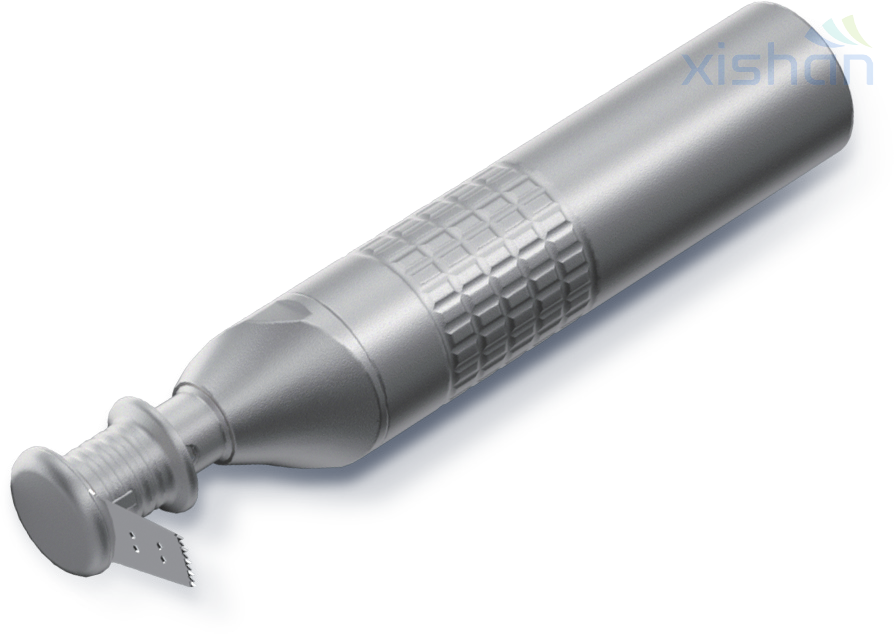
A sagittal saw is a surgical saw built for controlled bone cutting. Its short oscillation supports stability and predictable advancement. It is common in orthopedic work where the field is tight and structures are close.
People sometimes compare it to jobsite saws because both “move back and forth.” The key difference is the design goal. The sagittal saw is built for precision, ergonomics, and consistent performance in surgical workflows.
A sagittal saw is often used in orthopedic procedures where precise bone resections matter. It can support guided cuts in arthroplasty workflows and controlled removal in revision cases. It may also appear in trauma reconstruction when surgeons need defined osteotomy planes in constrained anatomy.
Exact tool choice depends on surgeon preference, implant systems, and hospital protocols. The common theme is controlled bone work where predictable motion reduces risk.
No saw solves every cutting task. A sagittal saw can have limited reach for deep cuts, so blade choice becomes critical. A wrong blade can slow cutting, increase force, and raise heat.
Heat and debris management matter in bone cutting. Dull blades increase friction and reduce visibility. Irrigation and suction help keep the field clear and cooler. Battery platforms also need charging discipline to avoid case delays.
Need | Common blade approach | Why it helps | Watch-outs |
Guide slot cuts | Narrow, straight blade | Tracks in slots and tight exposure | Heat rise if dull or forced |
Access around anatomy | Angled or offset blade | Improves reach without widening exposure | Angle can reduce line-of-sight |
Dense bone or cement | More aggressive tooth pattern | Faster removal, less pushing | Rougher feel if rushed |
Smoother cut face | Finer tooth pattern | Cleaner finish and less chatter | Slower in very dense material |
Start by defining what “good” looks like. Demolition work often wants speed and access, not a polished edge. That is where a reciprocating saw wins. It removes material fast and tolerates surprises in the cut path.
Surgical work demands a planned cut plane and predictable control. A sagittal saw supports that goal in many orthopedic workflows. It pairs well with guides and controlled exposure. If precision is your outcome, choose the tool built for precision.
Access decides more than power. In a wall cavity, long strokes can hit studs and nearby surfaces. You may need a shorter blade, a different angle, or a slower speed. A reciprocating saw still helps because it reaches awkward spaces, but it demands control and planning.
In surgery, exposure is limited by anatomy and technique. A sagittal saw helps when big movements are not possible. It can advance in small steps near guides and tight corners. If you need deep reach, another saw type may be better for that step.
If nearby surfaces cannot be damaged, control becomes the priority. On a jobsite, that might mean protecting finished drywall, trim, or wiring. A reciprocating saw can still work, but blade flex adds drift risk, so you must manage pressure and stabilize the work.
In clinical use, soft tissue is always a critical neighbor. A sagittal saw can improve predictability compared to long-stroke motion. It does not remove risk, but it can reduce “runaway” behavior. Good exposure, retraction, irrigation, and blade sharpness still decide outcomes.
Tip: When control is the top goal, favor short stroke tools and sharp blades, then reduce force and recheck alignment often.
Sticker price is rarely the real cost driver. On jobsites, blades are consumables that add up fast, and downtime costs labor. Battery ecosystems also matter, since charging and spare packs decide readiness.
In hospitals, total cost includes training, service coverage, and sterile processing compatibility. A sagittal saw platform also needs dependable blade supply and realistic service turnaround. Readiness is the real KPI, not just purchase price.
Question | Why it matters | Reciprocating saw focus | Sagittal saw focus |
What is our main use case? | Prevents overspending on the wrong tool | Demolition, removal, rough cutting | Bone cuts, guide tracking, precision work |
What blades are easy to source? | Supply issues stop work | Wide retail availability | Procedure-driven inventory planning |
How do we manage downtime? | Readiness drives productivity | Spare batteries, simple maintenance | Charging plan, service access, loaners |
What safety controls exist? | Reduces incidents and rework | PPE, clamps, kickback awareness | IFU, training, sterile flow, irrigation |
Start by checking blade condition and correct seating. Confirm the workpiece is stable and the cut path is clear. Loose work causes chatter, drift, and sudden slips. If the blade is too long for the space, shorten the exposed length to reduce bending.
For clinical teams, confirm the correct blade for the planned step and complete the required function checks. Ensure irrigation and suction are ready before bone cutting begins. A sagittal saw performs best when the field stays visible and cooler.
Let the saw do the work and avoid pushing hard. A reciprocating saw cuts better using steady contact and stable posture. If the blade binds, back out and change angle or blade type instead of forcing it.
For a sagittal saw, keep movements deliberate and advance in small steps. Recheck alignment often, especially near guides. Use irrigation to manage heat and clear debris. Sharp blades reduce force needs, which improves control.
Wandering cuts often come from blade flex or unstable support. Use a thicker blade or shorten the blade exposure. Lower speed can reduce jumpiness in thin metal. If vibration rises, check mounts and clamp tension.
Heat and heavy debris often signal dull teeth or too much force. In jobsite work, change blades sooner than you expect. In surgical settings, manage heat through sharp blades and irrigation, then avoid pushing when cutting slows.
Jobsite work needs eye protection, gloves, and hearing protection. Plan for hidden nails, wires, and pipes behind surfaces. Disconnect power before blade changes or adjustments, even for “quick swaps.”
In clinical settings, follow local protocols and the device IFU. A sagittal saw belongs in trained hands under approved processes. Sterile handling, inspection, and maintenance planning reduce case risk and tool downtime.
Note: If a team is buying for clinical use, align product selection, training, and service planning to local regulation and hospital governance.
A reciprocating saw uses a long linear stroke for fast, rough removal. It fits demolition, remodeling, and mixed-material cuts where finish quality matters less. A sagittal saw uses a short oscillating stroke for controlled bone cutting in tight surgical fields. It supports guided cuts, better precision, and safer handling near soft tissue when paired with good technique.
For hospitals that need reliable surgical power tools, Chongqing Xishan Science & Technology Co., Ltd. offers solutions that focus on control, consistency, and workflow support. Their systems help teams match blades to procedures, reduce downtime through dependable service, and keep performance steady across cases.
A: A reciprocating saw uses a long linear stroke for rough cutting, while a sagittal saw uses a short oscillating stroke for controlled surgical bone cuts.
A: A sagittal saw is used for precise bone resections, often in tight spaces and guided cuts during arthroplasty, revisions, and some trauma steps.
A: Pick a reciprocating saw for demolition speed and mixed materials; pick a sagittal saw when you need high control, tight access, and repeatable cut lines.
A: Drift often comes from blade flex, poor support, or forcing the stroke; use a stiffer blade, shorten exposure, clamp the work, and slow down.
A: Sagittal saw cost depends on blade consumption, battery or air supply, sterilization workflow, service coverage, and how fast the system stays case-ready.


 +86-23-65764808