
 +86-23-65764808
Views: 0 Author: Site Editor Publish Time: 2026-03-16 Origin: Site


A surgical probe is a critical tool used in various surgical procedures to assist surgeons in examining, exploring, and manipulating tissues. It plays a vital role in diagnostic, exploratory, and therapeutic surgeries, helping surgeons assess the condition of tissues and locate abnormalities such as tumors, foreign objects, or infection sites. This article delves into the definition, uses, types, components, and maintenance of surgical probes, shedding light on their indispensable role in modern medicine.
A surgical probe is a specialized medical instrument used to explore, examine, and manipulate tissues during surgical procedures. These probes are often long, thin, and flexible, designed to provide surgeons with the ability to reach delicate or difficult-to-access areas inside the body without causing damage to surrounding tissues.
Surgical probes have several key features that make them suitable for various medical applications:
Thin and flexible design: Probes are often long and slender, allowing them to maneuver through tight spaces without causing excessive trauma to the tissues.
Durable materials: They are typically made from stainless steel or other biocompatible materials, ensuring durability, resistance to corrosion, and the ability to be sterilized.
Varied tips and shapes: Depending on their specific function, surgical probes may have sharp, blunt, or angled tips, each designed for different tasks like tissue dissection, detection, or foreign body removal.
Surgical probes come in a variety of shapes, sizes, and designs, each suited for specific tasks during surgery. Below are the main types of surgical probes:
Diagnostic probes are primarily used to assess the condition of tissues, organs, or wounds. They help surgeons examine and evaluate any abnormalities that may require further investigation or treatment.
Purpose: To detect conditions such as tumors, abscesses, and internal injuries.
Design: These probes typically feature a fine, slender design, allowing them to gently touch or probe internal structures for a clearer diagnosis without causing harm.
Exploratory probes are used to locate and explore abnormalities or foreign bodies inside the body. These probes are especially useful when precise identification of the issue is needed before performing an invasive procedure.
Purpose: To locate foreign bodies, measure tissue, or explore surgical sites to determine the nature of an abnormality.
Design: Exploratory probes may come with sharp tips or retractable needles, allowing them to easily puncture tissue or locate objects, such as fragments of glass or metal.
Therapeutic probes are designed to not only explore but also treat certain conditions during surgery. These probes can be used to apply heat, light, or pressure to affected tissues, offering targeted therapy.
Purpose: To treat tumors, infection sites, or other damaged tissues by applying heat, cold, or electrical energy.
Design: They are often equipped with specialized functions such as cauterization, which helps stop bleeding or shrink tissue, depending on the nature of the probe.
Specialized probes are designed for specific surgical specialties and procedures. These probes have specialized tips, shapes, or functionalities to cater to specific needs.
Examples:
Orthopedic probes: Used to explore bone or joint structures during orthopedic surgeries.
Neurosurgical probes: Used for precise exploration of the nervous system, allowing surgeons to delicately work around sensitive brain tissue or nerves.
Gastrointestinal probes: Used in gastrointestinal procedures to locate and evaluate abnormalities in the stomach or intestines.
Surgical probes are versatile tools, used in a wide range of surgical procedures. Their ability to navigate delicate and tight spaces while providing precise control makes them essential in many different medical applications.
Surgical probes are invaluable in diagnostic procedures, enabling doctors to detect and evaluate various conditions. They help identify abnormal growths, blockages, or other issues that may not be visible through imaging alone.
Detecting tumors: Surgeons use probes to feel for masses or abnormalities in organs and tissues, such as detecting a tumor in the abdominal cavity or breast.
Assessing infection sites: Probes can be used to examine the depth and extent of infections by exploring affected tissues, helping surgeons determine the best course of treatment.
Minimally invasive surgery (MIS) refers to procedures performed through small incisions or natural openings, often using specialized tools such as probes, cameras, and other instruments. Surgical probes play a crucial role in MIS by providing real-time feedback and assisting in the delicate manipulation of tissues.
Laparoscopy and endoscopy: Probes are used in laparoscopic or endoscopic surgeries to guide the surgeon’s actions and explore internal organs or body cavities with minimal disruption.
Foreign body removal: In minimally invasive procedures, probes are used to locate and remove foreign objects from inside the body without the need for large incisions.
Surgical probes are often used to manipulate, separate, or remove tissues during surgery. These tools help surgeons achieve greater precision, allowing them to work with minimal damage to surrounding tissues.
Dissection and separation: Probes are used to carefully separate tissues during surgeries such as organ removal or reconstructive surgery.
Foreign body extraction: Probes are designed to locate and remove foreign bodies, such as splinters, surgical clips, or other items inadvertently left inside the body during surgery.
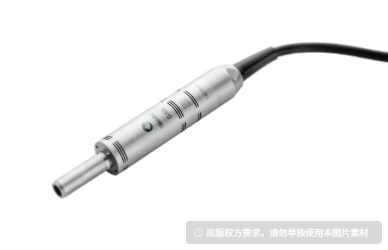
Surgical probes are finely engineered instruments, designed for optimal functionality, durability, and safety during surgeries. The following are key components and features that define their design:
Surgical probes are constructed from high-quality materials such as stainless steel, titanium, and nickel alloys. These materials are chosen for their:
Durability: Ensuring the probe remains intact during use.
Corrosion resistance: To withstand the harsh environment of the operating room, including exposure to sterilizing agents and body fluids.
Biocompatibility: Ensuring that the probe does not cause any adverse reaction when in contact with tissues.
Sharp or blunt tips: Depending on their function, surgical probes may have sharp tips for cutting or blunt tips for gentle exploration.
Length and flexibility: The length of a probe allows it to reach difficult or deep tissues. Flexible probes are useful for accessing and maneuvering in confined spaces without damaging surrounding structures.
Ergonomics: The handle of the probe is designed for comfortable use, with features that allow surgeons to have a secure grip even during extended procedures.
Ergonomics play a significant role in the design of surgical probes. Given the precision required, ergonomic handles are designed to prevent hand strain and provide greater control for the surgeon. The handle should also offer a non-slip grip, which is especially important in lengthy procedures where fatigue may be a concern.
Surgical probes must be cleaned, sterilized, and maintained regularly to ensure their longevity and functionality. Improper care can lead to contamination, malfunction, and the spread of infection.
Surgical probes are typically sterilized through various methods:
Autoclaving: The most common sterilization method, where probes are exposed to high-pressure steam.
Chemical sterilization: In some cases, probes may be sterilized using chemical agents that kill bacteria and viruses without requiring heat.
Cleaning after use: Probes should be carefully cleaned to remove any tissue or debris, using a brush or ultrasonic cleaner.
Lubrication: Some probes require lubrication after cleaning to maintain smooth operation and prevent wear on the moving parts.
Storage: After sterilization, probes should be stored in a dry, sterile environment to maintain their sterility and prevent damage.
Avoid excessive force: Surgical probes should not be used for tasks beyond their design specifications, as excessive force can damage the probe.
Regular inspections: Probes should be regularly inspected for any signs of wear or damage, especially on the tip and handle.
Professional servicing: It’s recommended to have probes professionally serviced if any issues are detected during inspections.
A surgical probe is used to examine, explore, and manipulate tissues during surgery. It assists in diagnosing conditions, exploring abnormalities, and treating various medical conditions.
Yes, surgical probes are versatile tools used in many types of surgeries, from diagnostic procedures to minimally invasive surgeries and therapeutic applications.
In minimally invasive surgery, probes help navigate through small incisions to explore internal organs, locate foreign bodies, and perform delicate tissue manipulation with minimal disruption.
Surgical probes are typically made from high-quality materials like stainless steel or titanium, which are durable, non-corrosive, and compatible with sterilization procedures.
Surgical probes are indispensable tools in modern surgery, playing a critical role in diagnosis, exploration, and treatment. Their versatility, precision, and ergonomic design make them essential for a wide range of surgical procedures, from routine diagnostic assessments to more complex surgeries. These probes allow surgeons to explore, manipulate, and treat tissues with remarkable accuracy, even in the most delicate and difficult-to-reach areas. Whether used in minimally invasive surgeries, foreign body removal, or tissue manipulation, surgical probes contribute significantly to patient outcomes.
Proper maintenance, cleaning, and sterilization of surgical probes are crucial to ensuring their long-term functionality and safety. Regular care prevents potential contamination, malfunction, or damage to the instrument, which could compromise the success of the surgery or even patient health. By following recommended practices for sterilization and storage, surgical probes can remain reliable and effective tools throughout their lifespan.
In essence, surgical probes are not just instruments; they are key enablers of precision and safety in surgery. Their continued advancement, along with meticulous care and maintenance, will ensure that surgeons can perform procedures with the highest level of accuracy, contributing to improved surgical outcomes and better patient care.


 +86-23-65764808