
 +86-23-65764808
Views: 0 Author: Site Editor Publish Time: 2026-03-12 Origin: Site


Surgical handpieces are integral tools used in various medical procedures, enhancing precision and efficiency. These hand-held instruments play a crucial role in the success of surgeries across different specialties, including orthopedics, neurosurgery, dentistry, and ENT (ear, nose, and throat) surgeries. This article explores the uses, components, maintenance, and significance of surgical handpieces in modern medicine, highlighting their impact on minimally invasive surgery.
A surgical handpiece is a medical tool used to perform specific tasks during surgery, such as cutting, shaping, drilling, and removing tissue or bone. Surgical handpieces come in different types, powered by various mechanisms such as electricity, compressed air, or batteries. They are designed to allow surgeons to carry out highly precise tasks with minimal effort.
Surgical handpieces come in several types, each suited for different surgical applications. Here’s a breakdown:
Type | Power Source | Typical Uses | Advantages |
Electric Handpieces | Electricity | Bone cutting, drilling, grinding, polishing, etc. | High torque, precision control, lightweight |
Pneumatic Handpieces | Compressed Air | Drilling, grinding, cutting in bone and tissue | Powerful and reliable, durable, no electric cords |
Battery-Operated Handpieces | Rechargeable Battery | Light surgeries, dental procedures, minor surgeries | Cordless, portable, easier to handle |
Each type is selected based on the specific needs of the surgery and the surgeon's preference.
Surgical handpieces are used across a range of surgical fields. The precision and versatility they offer make them indispensable in operations that require accuracy, such as cutting, drilling, and reshaping tissues. Below are some of the key areas where surgical handpieces play a crucial role:
In orthopedic surgery, surgical handpieces are essential for tasks such as drilling, cutting, and shaping bone. These instruments are often used in joint replacement surgery, spinal surgeries, and fracture repairs. Electric handpieces are most commonly used in these procedures due to their ability to provide high torque and precision.
Examples of tasks in orthopedic surgery include:
Drilling holes for screws in bone.
Shaping bone for joint replacement.
Removing or grinding bone tissue.
In neurosurgery, precision is vital as the brain and spinal cord are extremely delicate. Surgical handpieces are used to cut bone or tissue with minimal disruption. Special pneumatic handpieces are often employed in neurosurgery, where the control and power of the tool are critical for safety.
Neurosurgery applications:
Removing bone from the skull for brain surgery.
Cutting delicate tissues surrounding the brain and spine.
Performing fine bone work with minimal vibration.
In dental surgery, handpieces are perhaps the most commonly used surgical tools. Dental handpieces are used for a wide variety of tasks, including drilling, cleaning, and polishing teeth. These handpieces are typically electric, allowing for greater control during precise operations like cavity removal and dental implant placement.
Dental applications of handpieces:
Drilling cavities and shaping teeth.
Polishing and cleaning dental surfaces.
Removing decayed or damaged dental material.
Surgical handpieces used in ENT surgery are designed for very delicate procedures in the head and neck area. These tools help with tasks such as removing tissues, cutting bones, and performing minimally invasive procedures. Pneumatic or battery-operated handpieces are often preferred because of their portability and reduced risk of vibration.
ENT applications include:
Removing nasal polyps or tumors.
Cutting bone for sinus or skull-based surgeries.
Fine tissue dissection in the throat or ear area.
A surgical handpiece is made up of several key components that contribute to its function and performance. These include:
The motor of a surgical handpiece provides the power necessary for the device to perform its tasks. The power source can vary based on the type of handpiece:
Electric handpieces use motors powered by electricity, providing high precision and torque, ideal for delicate tasks requiring controlled speed.
Pneumatic handpieces rely on compressed air to operate, offering durability and power without the need for electrical connections. These are typically used in high-powered surgical applications.
Battery-operated handpieces offer flexibility and portability but with lower power output. These are well-suited for smaller, less demanding tasks where convenience and mobility are crucial.
Safety is paramount in surgical environments. High-quality surgical handpieces incorporate several safety features, including:
Anti-vibration mechanisms to reduce discomfort and improve control during long surgeries. This is crucial in minimizing hand strain, especially in delicate procedures.
Overload protection to prevent damage to the motor and reduce the risk of malfunction. This feature helps protect both the equipment and the patient by ensuring that the tool does not fail during critical moments.
Autoclavable parts for easy sterilization between uses, ensuring patient safety and infection control. Surgical handpieces must withstand high temperatures and pressure during sterilization without compromising their performance.
Surgical handpieces are designed for long hours of use. Therefore, ergonomics play an important role in reducing hand fatigue. These handpieces are designed with comfort in mind, often featuring lightweight and easy-to-grip designs that prevent strain. Additionally, these tools are made from high-quality materials, ensuring they can withstand the harsh conditions of the operating room, including sterilization, heat, and mechanical stress. This durability ensures that the handpiece remains functional and safe throughout numerous procedures, extending its lifespan and reducing the need for frequent replacements.
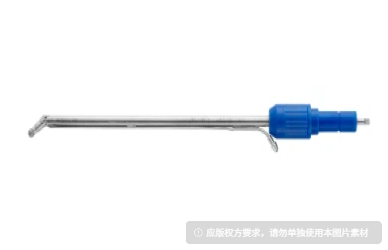
Minimally invasive surgery (MIS) has revolutionized the way many surgeries are performed. Surgical handpieces play an integral role in these types of procedures, enabling surgeons to make smaller incisions and use precision techniques to remove tissue or bone. This leads to several key benefits for patients:
Faster Recovery: Smaller incisions mean less trauma to the body, leading to faster healing times.
Reduced Infection Risk: Smaller cuts result in less exposure to pathogens, reducing the likelihood of infection.
Improved Precision: Handpieces allow surgeons to perform intricate tasks with a high degree of accuracy, especially in delicate operations.
Benefit | Impact |
Smaller Incisions | Reduced trauma and quicker recovery. |
Higher Precision | Enables surgeons to perform delicate tasks with accuracy. |
Less Blood Loss | Smaller cuts result in less bleeding during surgery. |
Shorter Hospital Stays | Patients can recover faster, leading to shorter hospital stays. |
Proper maintenance and sterilization of surgical handpieces are critical to their functionality, longevity, and safety. Without regular care, handpieces can fail, leading to complications during surgery or an increased risk of infection. Proper care ensures that these precision tools continue to perform at optimal levels and help maintain a safe surgical environment.
Surgical handpieces must be thoroughly cleaned and sterilized after each use. Here are the basic steps:
Disassembly: Remove any detachable parts for proper cleaning. This may include the motor, handle, and any disposable attachments.
Cleaning: Use a brush or ultrasonic cleaner to remove any tissue, debris, or contaminants from all surfaces. It is crucial to clean hard-to-reach areas where debris may accumulate.
Lubrication: After cleaning, apply lubricant to the moving parts of the handpiece to ensure smooth operation and to prevent mechanical wear.
Sterilization: Sterilize the handpiece using an autoclave or chemical sterilization method, depending on the material. The autoclave uses high pressure and temperature, while chemical sterilization may be used for more delicate parts.
To extend the life of surgical handpieces and maintain their functionality, follow these essential care tips:
Store properly: Keep handpieces in a dry, cool environment, away from excessive moisture or direct sunlight, to avoid damage. Use protective cases for added security.
Regular servicing: Have handpieces checked by a professional technician periodically to ensure they are in good working order. This can help identify any potential issues before they cause malfunctions.
Avoiding overuse: Properly maintain usage limits to prevent wear and tear. Handpieces should not be overworked during surgeries, as this can lead to excessive wear on the motor and other internal components. Regularly replacing worn-out parts is crucial for the safe operation of the device.
Surgical handpieces are essential in orthopedic, neurosurgery, dental, and ENT surgeries, as well as any other procedure requiring precise cutting, drilling, or shaping of tissues and bones.
To maintain a surgical handpiece, clean it thoroughly after each use, lubricate the moving parts, and sterilize it properly. Regular inspections and servicing are essential for optimal performance.
Pneumatic handpieces rely on compressed air and are often used in surgeries that require high power and precision. Electric handpieces, on the other hand, provide higher torque and are suitable for fine, controlled tasks.
Yes, surgical handpieces are versatile and can be used in both minimally invasive and open surgeries. They help with precision tasks and contribute to smaller incisions and reduced trauma in minimally invasive procedures.
Surgical handpieces are essential tools in modern medicine, enabling precise and efficient surgeries across various specialties. Whether used in orthopedics, neurosurgery, or dental procedures, these instruments enhance surgical outcomes by providing accuracy, improving recovery times, and reducing patient risks. Regular maintenance and proper sterilization ensure that these tools continue to serve the medical community effectively, making them indispensable in the operating room.


 +86-23-65764808