
 +86-23-65764808
Views: 0 Author: Site Editor Publish Time: 2026-03-17 Origin: Site


When purchasing surgical probes for your medical facility, choosing the right tool is essential for ensuring the success of surgical procedures. Surgical probes play a critical role in diagnosis, exploration, and treatment, and selecting the best one can significantly impact the precision and effectiveness of surgeries. With a wide range of probes available, it’s important to consider several factors to ensure that the probes meet the specific needs of your facility and its surgeons. This article will outline the top seven factors to consider when purchasing surgical probes for your facility.
The first step in choosing the right surgical probe is to understand the specific type of probe that fits your facility’s needs. Surgical probes come in various types, each designed for a specific surgical purpose. Identifying the type of probe you need is crucial for optimal surgical outcomes.
Diagnostic probes are typically used to examine and assess the condition of tissues or organs. These probes help surgeons detect abnormalities such as tumors, cysts, or infections that may not be visible on imaging. They are essential tools for diagnosing medical conditions before proceeding with treatment.
Exploratory probes are used for locating foreign bodies or abnormalities within the body. They help surgeons explore affected areas and find the cause of symptoms. These probes often feature a sharp tip to pierce tissues or organs, allowing surgeons to locate problematic areas with precision.
These probes are not just used for diagnosis but also for treating conditions. Therapeutic probes are often designed to treat tumors, reduce inflammation, or apply electrical energy to certain tissues. They might also be equipped with mechanisms like heat or cold application to facilitate healing or stop bleeding.
Some surgeries require specific tools tailored to the needs of the procedure. Specialized probes include those designed for orthopedic, neurological, gastrointestinal, or cardiovascular surgeries. These probes are equipped with unique features for precise navigation and manipulation of sensitive areas.
Choosing the right type of surgical probe depends on the specific procedures performed at your facility. Ensure you invest in the probes that best meet the needs of your medical team.
The material used to make a surgical probe is critical for its performance, longevity, and resistance to wear. Surgical probes need to be durable enough to withstand repeated use, sterilization processes, and harsh surgical environments.
Stainless Steel: Stainless steel is the most common material used in the manufacturing of surgical probes due to its strength, corrosion resistance, and ability to be sterilized.
Titanium: Known for its high strength-to-weight ratio, titanium is lightweight yet incredibly durable. It’s often used for probes that need to be both strong and flexible.
Nickel-Alloys: These materials offer excellent corrosion resistance, making them ideal for probes exposed to various bodily fluids and chemicals.
Surgical probes must endure repeated use and cleaning, which is why materials like stainless steel and titanium are chosen for their ability to resist corrosion, rust, and wear. The material should also be able to handle the mechanical stress of surgery without bending or breaking.
Choosing durable materials ensures that the probes last longer and maintain their functionality without compromising safety. It also prevents the need for frequent replacements, which could be costly for your facility.
Surgical probes come into direct contact with tissues, which means they must be thoroughly sterilized after each use to prevent infections and ensure patient safety. Not all probes are compatible with all sterilization methods, so it’s important to ensure that the probe you purchase can be easily sterilized according to the standards of your medical facility.
Many surgical probes are designed to be autoclavable, meaning they can be sterilized using an autoclave, which uses high-pressure steam to kill bacteria and viruses. Autoclavable probes are essential in ensuring that the instruments used in surgery remain free from contaminants, reducing the risk of postoperative infections.
In some cases, particularly for probes with more delicate components, chemical sterilization might be necessary. Chemical sterilization involves using disinfectants or sterilizing agents that kill pathogens without exposing the instruments to high temperatures. It’s important to ensure that the probe you select can withstand the chemicals used in sterilization without degrading its material or functionality.
Choose surgical probes that are easy to clean and disinfect. Probes with smooth surfaces and simple designs are easier to maintain and less likely to trap blood or tissue during procedures.
The ergonomics and design of surgical probes play an important role in ensuring that they are comfortable to use for extended periods. Surgeons often perform complex procedures that require precision, and a poorly designed probe can lead to hand fatigue and compromised surgical performance.
The handle of a surgical probe should be designed to provide a secure grip without causing hand strain or discomfort. Look for probes with ergonomically shaped handles that fit comfortably in the surgeon’s hand, reducing the risk of hand fatigue during long surgeries.
The weight and balance of the probe should also be considered. A probe that is too heavy may tire the surgeon’s hand, while one that is too light may not provide the necessary control during delicate procedures. Ideally, the probe should offer a balance of weight that allows for controlled and precise movements.
A non-slip handle is crucial to prevent the probe from slipping during use, especially in sterile conditions. The material used in the handle should offer excellent grip and comfort to the surgeon, particularly during long or intricate procedures.
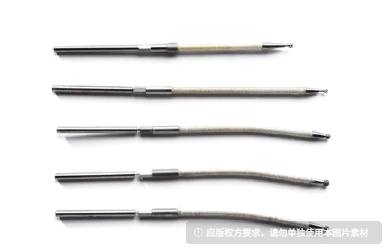
Precision is the hallmark of effective surgery. Surgical probes must be designed to provide the highest level of sensitivity and accuracy, as even minor errors can have significant consequences during surgery.
The tip of the surgical probe should be sharp enough to detect abnormalities without damaging surrounding tissues. Probes used for diagnostics and exploratory purposes must be sensitive enough to detect even the slightest changes in tissue structure, making them essential tools for early diagnosis and precise tissue manipulation.
The overall construction of the probe must be precise to ensure that it functions effectively and reliably. A well-made surgical probe will maintain its integrity, providing the surgeon with consistent results throughout the procedure.
Choosing probes with high precision and sensitivity ensures that surgeons can perform their tasks with greater confidence, reducing the likelihood of complications or mistakes.
Surgical probes must be compatible with the other instruments and systems used in the operating room. If the probe doesn’t integrate well with the existing equipment, it could complicate the surgical process and increase the risk of errors.
Make sure the surgical probe you purchase is compatible with other tools and systems in your surgical setup, such as laparoscopes, endoscopes, and other diagnostic equipment. The probe should be able to work seamlessly with other instruments, ensuring that the surgical team can operate with maximum efficiency.
Some surgical probes, especially those used in minimally invasive procedures, are designed to work in conjunction with imaging systems. It’s important to verify that the probe you choose can interface with imaging devices, allowing for real-time monitoring and guidance during the procedure.
Cost is always a consideration when purchasing medical equipment, but it’s important to balance cost with quality. While surgical probes come in a range of price points, opting for a cheaper option may compromise on durability and functionality.
Consider the total cost of ownership, which includes the initial purchase price, maintenance, and sterilization. Investing in high-quality probes may be more expensive upfront, but they can offer better longevity and performance, reducing the need for frequent replacements.
Check the warranty and after-sales support provided by the manufacturer. A good warranty ensures that the probe will be repaired or replaced if any defects arise during normal usage. Reliable customer support can also assist with any issues or questions that may come up after the purchase.
Surgical probes come in diagnostic, exploratory, therapeutic, and specialized varieties, each designed for specific medical procedures.
Stainless steel and titanium are the most common materials for probes due to their durability, corrosion resistance, and biocompatibility.
Not all surgical probes are compatible with every sterilization method. Ensure the probe you purchase is either autoclavable or compatible with chemical sterilization methods.
Consider the weight, handle design, and overall comfort of the probe, as these factors directly impact the precision and ease of use during surgery.
Purchasing surgical probes for your medical facility is a crucial decision that can directly impact the efficiency and success of your surgical procedures. By considering factors such as the type of probe, material durability, sterilization compatibility, ergonomics, precision, system compatibility, cost, and warranty, you can make an informed choice that aligns with the needs of your surgical team and facility. Ultimately, investing in high-quality surgical probes that meet the specific requirements of your medical practice will help ensure better patient outcomes, increased surgical precision, and improved overall performance.


 +86-23-65764808