
 +86-23-65764808
Views: 0 Author: Site Editor Publish Time: 2026-02-17 Origin: Site


Modern orthopedic surgery is demanding, and surgeon fatigue can build fast. Ergonomic sagittal saw design benefits help improve comfort, control, and stability. In this article, you will learn how lightweight, low vibration tools like Xishan saw attachments support better performance and reduce strain, and you can learn more about our products.
Orthopedic surgery requires repetitive, high-precision cutting tasks that place continuous stress on the surgeon’s upper body. During long cases, surgeons may perform hundreds of controlled movements while maintaining stable posture and grip strength. This repetitive workload can create muscle fatigue in the forearm, wrist strain, and shoulder tension, especially when using heavy orthopedic power tools. Over time, fatigue does not only cause discomfort, it can also reduce endurance and limit fine motor control. Ergonomic surgical saw handle design helps reduce these demands by supporting neutral wrist alignment and distributing pressure more evenly across the hand. By reducing physical strain, surgeons can maintain steadier performance even during prolonged bone cutting procedures, especially when paired with low vibration orthopedic saw attachment solutions.
Surgeon fatigue has direct consequences for precision, safety, and workflow efficiency. When the hand becomes tired, grip strength declines, and subtle tremors may appear. This can make it harder to guide a sagittal saw blade smoothly, increasing the risk of uneven cuts or longer operating times. Fatigue can also raise cognitive stress, as surgeons must work harder to maintain focus under discomfort. Studies in surgical ergonomics suggest that better-designed instruments can reduce suturing time and improve efficiency, which highlights the importance of ergonomic sagittal saw design benefits. Reducing fatigue helps surgeons stay consistent, improves procedural confidence, and ultimately supports safer outcomes for patients.
Many surgeons report work-related pain after years of operating, and poor ergonomics is one of the key contributors. Awkward hand positions, repetitive stress, and prolonged static posture can lead to musculoskeletal disorders in the back, neck, shoulders, and arms. These injuries may shorten surgical careers and reduce job satisfaction. Orthopedic power tools that generate high vibration or require excessive gripping force increase long-term injury risk. Ergonomic handpiece improvements, such as better balance and reduced vibration, help lower strain and protect surgeons over time. Addressing ergonomics is not only about comfort, it is also about workforce sustainability in healthcare.
Hospitals are increasingly recognizing that surgeon wellbeing affects both clinical performance and operational efficiency. Fatigue-related discomfort can contribute to longer procedures, more frequent breaks, and higher risk of occupational injury claims. Investing in ergonomic orthopedic power tools supports better workflow and reduces downtime caused by staff injury or tool inefficiency. Ergonomic sagittal saw design benefits also align with broader quality improvement goals, since surgeon comfort supports steadier hands and fewer errors. As awareness grows, ergonomics is becoming a standard consideration in equipment procurement decisions, not an optional feature.
Tip: Hospitals should include surgeon comfort feedback when evaluating new sagittal saw systems for long-term value.
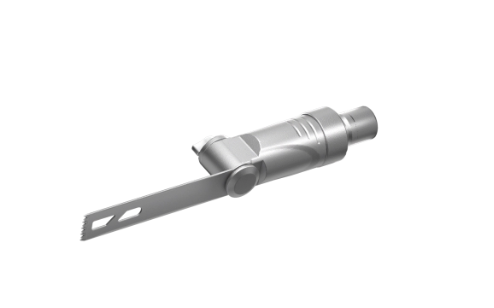
Tool weight is one of the most important factors influencing fatigue. A heavy handpiece increases wrist strain and makes prolonged cutting tasks more exhausting. Over the course of a long orthopedic procedure, even small weight differences can lead to major comfort changes. Lightweight sagittal saw designs reduce muscle load and allow surgeons to maintain steadier control with less effort. This improves endurance and reduces the need for grip compensation. A lighter tool also supports better maneuverability in tight surgical spaces. By focusing on weight reduction without sacrificing cutting power, manufacturers can significantly improve surgeon comfort and reduce hand fatigue during orthopedic surgery, especially when combined with quick-lock saw attachment systems that simplify blade changes.
Handle design determines how surgeons apply force and maintain stability. Poor grip geometry can force awkward wrist angles, increasing strain in the forearm and hand muscles. Ergonomic surgical saw handle design supports neutral positioning and reduces pressure points during repetitive motion. Features such as contoured grips, optimized diameter, and improved surface texture help surgeons maintain control without excessive squeezing. This reduces fatigue and improves precision. When surgeons can hold the tool comfortably, they perform better over longer procedures. Proper grip engineering is one of the most practical ways ergonomic sagittal saw design benefits clinical performance.
Vibration is a major contributor to fatigue because it forces surgeons to grip more tightly and increases muscular effort. High vibration also reduces cutting accuracy and accelerates tool wear. Modern sagittal saw ergonomics focuses on minimizing vibration through precision transmission structures and stable oscillation mechanisms. Low vibration surgical saw systems improve steadiness, reduce discomfort, and enhance surgeon confidence. Reduced vibration also protects the handpiece from mechanical stress over time. Stability is not only about comfort, it is also about ensuring consistent surgical precision in demanding orthopedic applications, which is a core value highlighted in products like the Xishan low vibration saw attachment design.
At this stage, it is helpful to summarize how specific ergonomic features translate into fatigue reduction outcomes:
Ergonomic Feature | Benefit for Surgeons | Fatigue Reduction Effect |
Lightweight handpiece | Less wrist strain | Higher endurance |
Low vibration design | Improved stability | Reduced muscle effort |
Ergonomic handle grip | Better posture support | Lower hand fatigue |
Small design details such as trigger placement and activation force can strongly influence fatigue. If controls require excessive pressure or awkward finger positioning, repetitive strain builds quickly. Ergonomic handpiece designs use smoother triggers, intuitive layouts, and reduced activation resistance. This helps surgeons operate the tool with less effort and improves workflow speed. Better control responsiveness reduces unnecessary movement and allows surgeons to focus fully on the surgical field. In high-stakes procedures, these ergonomic refinements support both comfort and operational efficiency.
Hand fatigue is one of the most common ergonomic challenges surgeons face when using orthopedic power tools. Continuous gripping, repetitive motion, and vibration all contribute to muscle exhaustion. Ergonomic sagittal saw handpiece features reduce required effort by improving balance, lowering vibration, and enhancing grip comfort. When the tool feels stable and easy to control, surgeons apply less force, which reduces strain. Over time, this leads to better endurance and fewer discomfort complaints. Reducing hand fatigue during orthopedic surgery is not only beneficial for surgeons, it also improves overall procedural consistency and safety.
Ergonomics extends beyond the handpiece itself and affects full-body posture. Poorly designed tools can force surgeons into awkward wrist angles or shoulder positions, leading to neck and back pain. Ergonomic sagittal saw design benefits include supporting natural arm alignment and reducing unnecessary strain. When surgeons maintain neutral posture, they experience less discomfort and improved endurance. Better posture also reduces cognitive stress, since surgeons do not need to constantly adjust their stance. This is why ergonomic design is essential for long-term surgeon health and performance.
Ergonomic improvements often translate into operational efficiency gains. When surgeons experience less strain, they can work more smoothly and complete tasks faster. Research in laparoscopic ergonomics suggests that optimized instrument design can reduce suturing time and improve workflow. Similar principles apply to sagittal saw systems. A best ergonomic sagittal saw handpiece minimizes unnecessary movements, reduces fatigue breaks, and supports more consistent cutting. Efficiency improvements benefit both the surgical team and the hospital by reducing operating room time and stress, especially when quick-lock systems allow faster blade replacement.
Surgeon fatigue affects not only physical comfort but also mental focus and job satisfaction. Chronic discomfort can contribute to burnout and reduced career longevity. Ergonomic orthopedic power tools improve daily working conditions and help surgeons feel more supported in demanding environments. Reduced strain lowers injury risk and enhances overall wellbeing. When surgeons work comfortably, they perform at their best, and patient outcomes improve. Ergonomic sagittal saw design benefits therefore extend beyond immediate comfort and become part of sustainable healthcare practice.
Note: Ergonomics is increasingly viewed as a professional standard, not just an equipment upgrade.
Traditional sagittal saw systems often prioritize raw cutting power over comfort. These tools may be heavier and less balanced, increasing fatigue during long procedures. Ergonomic designs focus on weight reduction and improved balance, allowing surgeons to maneuver more easily. Lightweight sagittal saw for surgeon comfort reduces muscle load and improves endurance. Better balance also enhances precision, since surgeons do not need to compensate for tool heaviness.
To clarify these differences, the following comparison highlights key ergonomic advantages:
Design Aspect | Traditional Saw | Ergonomic Sagittal Saw |
Weight | Heavier | Lightweight sagittal saw for surgeon comfort |
Vibration | Higher | Low vibration surgical saw systems |
Grip comfort | Limited | Ergonomic surgical saw handle design |
Older tools often produce higher vibration, which increases fatigue and reduces cutting stability. Ergonomic designs reduce vibration through improved transmission systems and precision engineering. Lower vibration reduces muscle strain and improves surgeon comfort. Control improvements such as smoother triggers and better grip design further enhance usability. Sagittal saw ergonomics directly influences surgeon endurance and procedural accuracy.
Ergonomic tools streamline workflow by reducing fatigue-related interruptions. Surgeons using comfortable instruments may require fewer breaks and experience less strain. This improves focus and collaboration across the operating room team. Hospitals benefit from smoother case flow and reduced downtime. Ergonomic sagittal saw design benefits therefore extend beyond the individual surgeon and influence the efficiency of the entire surgical system.
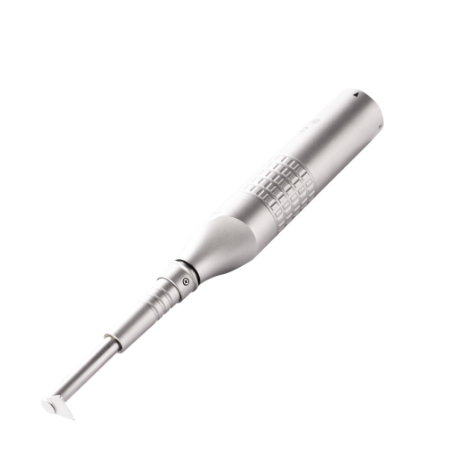
Ergonomic orthopedic power tools may involve higher upfront costs, but they often deliver stronger long-term value. Reduced fatigue lowers injury risk and helps prevent early career limitations. Hospitals also benefit from fewer occupational health claims and improved surgeon retention. Ergonomic sagittal saw design benefits include better workflow efficiency, which can reduce operating room costs over time.
Better-designed ergonomic tools often experience less internal mechanical strain. Low vibration systems reduce wear on gears and bearings, which can decrease repair frequency. Improved stability also reduces attachment failures and performance issues. This leads to fewer unexpected breakdowns and more predictable equipment availability.
Surgeon comfort directly affects performance. Reduced fatigue supports steadier hands, fewer errors, and more consistent cutting accuracy. Ergonomic sagittal saw design benefits therefore contribute to patient safety and improved outcomes. Investing in ergonomics is an investment in both clinician wellbeing and patient care quality.
A structured hospital-level view of ergonomic investments is shown below:
Value Area | Operational Benefit | Long-Term Outcome |
Surgeon wellbeing | Less discomfort | Lower burnout risk |
Efficiency | Shorter procedure time | Reduced OR costs |
Injury prevention | Fewer MSD cases | Longer careers |
Selecting the right ergonomic sagittal saw requires evaluating weight, grip comfort, vibration control, and trigger responsiveness. Buyers should involve surgeons in hands-on testing, since comfort is highly personal. The best ergonomic sagittal saw handpiece feels balanced and stable during realistic cutting tasks. Hospitals should also assess durability and sterilization compatibility. A structured evaluation ensures that ergonomic investments deliver true clinical value.
Different orthopedic procedures demand different tool characteristics. Long reconstructive surgeries require maximum comfort, while shorter cases may prioritize maneuverability. Surgeons may prefer specific grip sizes or trigger layouts. Matching ergonomic tools to surgeon preference improves adoption and reduces fatigue. Customization and fit are key factors in ergonomic success.
Ergonomic improvements must also withstand repeated sterilization cycles. Tools must resist corrosion and maintain performance after high-temperature autoclaving. Durable materials ensure that ergonomic benefits remain consistent over time. Hospitals should balance comfort with long-term reliability when selecting orthopedic power tools, particularly for attachment systems designed for stable, sealed performance like the Xishan saw attachment platform.
Future ergonomic systems may include wearable sensors that monitor posture and muscle strain. These technologies could provide real-time feedback and alert surgeons when fatigue builds. AI-driven ergonomic assessments are emerging trends that may improve training and workflow optimization. Smart monitoring will expand how ergonomics supports surgeon wellbeing.
One-size-fits-all instruments often create ergonomic mismatches, especially for surgeons with different hand sizes. Future designs may offer adjustable grips and multiple handle configurations. Personalized ergonomic solutions reduce injury risk and improve comfort across diverse surgical teams. Customization will likely become a major innovation driver.
Surgeon wellness is becoming a healthcare priority, and ergonomics is central to that shift. Hospitals and manufacturers increasingly view fatigue reduction as part of professional surgical standards. Ergonomic sagittal saw design will remain essential for sustainable performance in modern surgery.
Surgeon fatigue is a major challenge in orthopedic surgery. Ergonomic sagittal saw design benefits include comfort, low vibration, and lighter handpieces. These features reduce strain, improve posture, and support better efficiency. Hospitals investing in ergonomic tools protect clinicians and improve outcomes. Trusted solutions like Xishan products add stable performance and long-term value.
A: Ergonomic sagittal saw design benefits include better comfort, grip control, and lower vibration.
A: Ergonomic sagittal saw design benefits help reduce hand fatigue during orthopedic surgery.
A: Ergonomic sagittal saw design benefits improve balance and reduce strain in long procedures.
A: Ergonomic sagittal saw design benefits support efficiency, fewer injuries, and long-term value.


 +86-23-65764808