
 +86-23-65764808
Views: 0 Author: Site Editor Publish Time: 2026-01-26 Origin: Site


Driving after arthroscopic surgery sounds like a simple milestone. But one slow reaction, sharp pain, or a tight sling can turn it into a real safety risk. If you’re asking how soon you can drive after arthroscopic shoulder surgery, the honest answer is: it depends on control, not courage.
In this article, we’ll explain the most common timelines by procedure, the key “ready-to-drive” checks you can do, and the red flags that mean you should wait. You’ll also learn how meds, anesthesia, and your rehab stage affect safe driving, so you can plan your return with less stress.
Even if your shoulder feels okay, your brain may still feel slow. Sedation and anesthesia can affect focus and reaction time, and you may feel dizzy, tired, or nauseous the next day. A common rule is no driving for at least 24 hours after anesthesia, and longer if you still feel “off.” If your thinking feels cloudy, treat it like a stop sign.
Driving needs quick judgment and quick hands. Opioids can dull thinking, blur vision, and slow reflexes, and they can raise risk even more when you also sleep poorly. A simple rule helps: don’t drive while taking opioids or other sedating medicines. Wait until you’re off them and feel fully alert, then reassess your control.
You may steer fine on a calm road, yet real risk shows up in surprise moments, like a sudden stop or fast swerve. If you still need a sling, driving is usually not safe because it limits reach, speed, and full wheel control. Even if your pain is mild, the sling can block the quick movements you need to avoid a crash.
Note: Driving rules vary by country, state, and insurer. Your surgeon’s clearance should guide your decision.
Some arthroscopic shoulder procedures avoid long immobilization, such as minor clean-up work or certain decompression steps. In those cases, a sling may be for comfort and may stop earlier. Some people drive sooner after these procedures, but they still must meet the same basics: no lingering anesthesia effects, no sedating medication, no sling requirement, and reliable steering control.
Repairs need protection from sudden shoulder motion. That includes rotator cuff repair and many stabilization or labral repair procedures. These often require a sling for weeks rather than days, and many rehab plans suggest no driving until the sling is fully discontinued and you can control the wheel in an emergency. A common example is rotator cuff repair, where driving may be delayed for several weeks, often around six weeks or more depending on your plan and progress (timelines vary).
The operated side matters. Right shoulder surgery can affect shifting and other controls, and it can limit steering strength during quick turns. Your car also matters. Manual transmission typically requires more arm use, and heavier steering increases strain. Long commutes add fatigue, and fatigue makes reaction time worse.
Arthroscopic procedure type | Common sling situation | Typical earliest driving window (general) | Main reason |
Non-repair procedures (e.g., decompression) | Short-term comfort sling, may stop early | Often ~1–2+ weeks (needs verification) | Control returns faster, but meds still limit |
Rotator cuff repair | Sling usually required for weeks | Often ~6 weeks or more | Repair protection and safe wheel control |
Stabilization / labral repair | Often longer immobilization | Often ~6–10 weeks (varies) | Prevent re-injury during sudden motion |
Tip: Clinics can reduce repeat calls by giving a one-page “driving readiness” checklist at discharge.
You need safe range and strength, not perfect range. Start by sitting upright and checking shoulder comfort in that posture. Then test gentle steering motions using both hands in a parked car. You should tolerate steering movement without sharp pain, and you should be able to hold the wheel firmly. If pain spikes quickly or your arm feels unstable, driving will be risky.
Before you drive, do a simple “mock emergency” test while parked. Grip the wheel firmly and rehearse quick left-right steering motions without hesitation. If you cannot do a fast, controlled wheel turn, or if you feel weak or unsafe, wait. Emergency control is the real benchmark, not how you feel during a calm moment.
Ask a direct question: “Am I cleared to drive now?” Also ask what specific signs mean you should wait longer. Your team can factor your repair type, your rehab stage, and your shoulder protection rules. If you had a regional nerve block, ask about lingering numbness because any reduced sensation can limit safe control.
Readiness item | What “ready” looks like | What “not ready” looks like |
Medication status | No opioids, clear head | Any opioid use, fogginess, dizziness |
Sling status | No sling required for daily activity | Sling still required or recommended |
Emergency control | Fast wheel turn feels stable | Slow, painful, or weak wheel control |
Shoulder pain pattern | Mild pain that settles quickly | Sharp pain or rising pain after small moves |
Sleep and fatigue | Alert enough for a full trip | Heavy fatigue or poor concentration |
Move the seat closer than usual to reduce reach and strain. Adjust the steering wheel toward you if your car allows it. Plan a route with fewer turns and fewer merges. Avoid highways at first if they increase stress, and choose daylight driving for better visibility.
Your first drive should be short, even if you feel confident. A 10-minute, low-traffic loop can be enough to test real control. Bring another adult if possible, in case you need help or decide to stop. After the drive, reassess pain during the next few hours, since flare-ups sometimes appear later rather than during the trip.
Sometimes life forces travel before driving is safe. In that case, use rides from family or coworkers, public transit, or taxi services, and consider delivery options for errands. This protects your shoulder repair and protects everyone on the road. Planning early also reduces stress, and lower stress usually helps rehab routines.
Need | Safer option during no-drive phase | Why it helps |
Follow-up visits | Family ride, medical transport, taxi | Avoids sling driving risk |
Work commute | Hybrid work, ride share, carpool | Reduces fatigue and urgent driving pressure |
Groceries | Delivery or curbside pickup | Prevents lifting and long store walks |
Child activities | Shared school runs, neighbors | Limits rushed trips and sudden motions |
Tip: If your clinic offers PT, schedule your first sessions early so your transportation plan is ready before discharge.
Many people underestimate how long driving limits can last after arthroscopic surgery. A basic plan reduces stress and missed rehab visits, and it helps family avoid last-minute changes. Think about meals, school runs, and appointment rides, then set a simple calendar and ask for help early.
Desk work may return sooner than physical work, yet commuting can still be the limiting factor. If you cannot drive, remote work may help you bridge the gap. Jobs that require lifting or reaching usually need more time and may require formal clearance notes, so bring those questions to your follow-up visits.
Insurance can become complicated if you drive too soon, especially if you are still in a sling or using sedating meds. In some regions, you may have a duty to ensure you are “fit to drive,” and liability may shift if you ignore medical restrictions. If you are unsure, call your insurer and ask what they require after surgery.
Note: If your surgeon says “no driving,” treat it as a hard rule.
Pain should trend down over time. If it suddenly spikes, pause driving plans and contact your care team. Weakness is also a major warning. If you cannot hold the wheel firmly or control a quick turn, do not drive, even if pain seems manageable.
Some numbness can be normal early, especially after a nerve block. But new numbness days later needs attention, and so does increasing swelling or color change in the hand. These symptoms can reduce grip and safety, and they may signal a complication that needs evaluation.
Even non-opioid medicines can cause drowsiness in some people. Poor sleep can also slow reaction time and reduce attention. If you feel “not sharp,” do not drive. If dizziness or nausea persists, ask your care team about medication adjustments and hydration strategies, since small changes often help quickly.
Tip: A short follow-up call at 24–48 hours can prevent unsafe early driving decisions and reduce post-op complications.
After arthroscopic shoulder surgery, driving is safe only when you can think clearly and react fast. That means no lingering anesthesia effects, no opioid or sedating meds, and no sling requirements. Your procedure type also matters, since repairs often need longer protection than simple scope work. Use a readiness checklist, start with short low-traffic trips, and confirm timing during follow-up if anything feels uncertain.
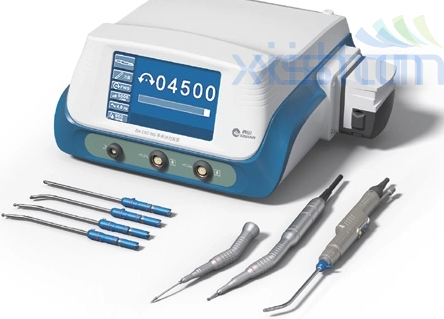
For surgical teams and facilities, reliable tools and smooth workflows also support safer outcomes after arthroscopic surgery. Chongqing Xishan Science & Technology Co., Ltd. provides medical power solutions designed for stable performance, efficient handling, and dependable support. Their systems help clinicians work with confidence, while helping hospitals reduce downtime and keep procedures running on schedule.
A: After arthroscopic surgery, most people drive only when they are off opioids, no longer need a sling, and can steer fast for an emergency stop.
A: Arthroscopic surgery can limit reaction time because of anesthesia, pain, and weak shoulder control, so a short drive can become unsafe in sudden traffic changes.
A: After arthroscopic surgery, practice quick left-right steering in a parked car, then confirm you can grip firmly, turn without sharp pain, and stay fully alert.
A: Yes. Repairs often need longer sling use and protection, so driving usually returns later than basic clean-up arthroscopic shoulder surgery.
A: Stop driving, rest, and contact your care team if pain rises or new weakness appears, since it may signal overuse or poor control.


 +86-23-65764808