
 +86-23-65764808
Views: 0 Author: Site Editor Publish Time: 2025-11-21 Origin: Site


Electrosurgery revolutionizes the surgical field with precision and efficiency. How do electrosurgical electrodes enhance modern surgery? In this article, you'll learn about cutting and coagulation principles, their applications, and safety measures.
Electrosurgical electrodes are specialized tools that deliver electrical current during surgery to cut or coagulate tissue. They serve as the interface between the electrosurgical generator and the patient's tissue. The main types include:
Monopolar Electrodes: These have a single active tip where current passes through the patient to a return electrode. They are versatile and used for both cutting and coagulation.
Bipolar Electrodes: These incorporate two closely spaced electrodes, usually in forceps form. Current flows between the two tips, limiting the electrical circuit to the tissue between them, enhancing safety in delicate areas.
Specialized Electrodes: Shapes such as needle, blade, ball, or loop electrodes are designed for specific surgical purposes, offering precision and control.
Electrodes are essential for delivering controlled high-frequency electrical energy to target tissues. Their roles include:
Cutting Tissue: The electrode concentrates current into a small area, generating heat that vaporizes cells, allowing precise incisions.
Coagulating Tissue: Electrodes apply pulsed or modulated current to heat tissue gradually, sealing blood vessels to minimize bleeding.
Ensuring Safety: Proper electrode design and use prevent unintended burns or electrical injuries by controlling current density and contact area.
The electrode's shape and size influence current density, affecting the surgical effect. For example, a fine needle electrode produces high current density for cutting, while a larger ball electrode disperses energy for coagulation.
Electrodes must conduct electricity efficiently and withstand high temperatures without degrading. Common materials include:
Stainless Steel: Durable, corrosion-resistant, and widely used for reusable electrodes.
Tungsten: Known for its high melting point and hardness, suitable for needle electrodes needing fine tips.
Platinum and Iridium: Used in specialized electrodes requiring superior conductivity and biocompatibility.
Coatings: Some electrodes may have coatings like titanium nitride to reduce tissue sticking and improve performance.
Material choice impacts electrode longevity, sterilization compatibility, and surgical effectiveness.
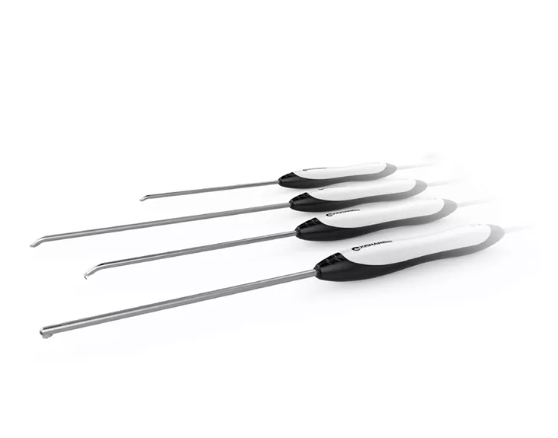
Cutting in electrosurgery happens when a high-frequency electrical current passes through tissue, generating intense heat in a very small area. This heat causes the water inside cells to vaporize instantly, creating tiny explosions that separate the tissue cleanly. The key here is high current density focused on a sharp electrode tip, which enables precise incisions with minimal damage to surrounding tissue.
The electrical waveform used for cutting is a continuous sine wave. This continuous flow of energy keeps the tissue heated just enough to vaporize cells quickly, allowing smooth, sharp cuts. Because the current is concentrated and constant, it minimizes thermal spread, reducing collateral damage.
Coagulation uses a different approach. Instead of a continuous waveform, it employs an interrupted or modulated current that delivers energy in bursts. These bursts create heat more slowly, raising tissue temperature enough to denature proteins and seal blood vessels without vaporizing cells.
This process causes blood to clot and tissue to shrink, effectively controlling bleeding. The electrical waveform used in coagulation is pulsed or dampened, producing high peak voltages but lower average power. This results in a broader heat distribution, causing coagulation necrosis—a uniform layer of dead tissue that seals vessels.
| Feature | Cutting | Coagulation |
|---|---|---|
| Waveform | Continuous sine wave | Pulsed or modulated waveform |
| Current Density | High, focused on small electrode tip | Lower, spread over larger area |
| Tissue Effect | Vaporization of cells, precise incision | Protein denaturation, vessel sealing |
| Heat Generation | Rapid, localized | Gradual, broader |
| Purpose | Tissue dissection | Hemostasis and tissue coagulation |
| Thermal Damage | Minimal lateral damage | More lateral thermal spread |
Cutting mode is ideal for making incisions where precision matters. It creates clean edges with minimal bleeding. Coagulation mode suits stopping bleeding and sealing vessels during surgery. Surgeons often combine both modes for optimal results, using cutting to open tissue and coagulation to control bleeding.
Understanding these principles helps surgeons select the right mode and electrode type, ensuring effective and safe procedures.
Cutting electrodes play a vital role in many surgical procedures requiring precise tissue incision. Surgeons often use them in:
General Surgery: For making clean incisions in skin, muscle, and soft tissues.
Gynecological Surgery: Procedures like laparoscopy or hysterectomy benefit from sharp, controlled cuts.
Dermatology: Removing skin lesions or performing biopsies.
Neurosurgery: Delicate brain or spinal cord tissue dissection demands precision cutting.
ENT Surgery: For tonsillectomies, polypectomies, or sinus surgeries.
The cutting electrode’s sharp tip allows surgeons to make smooth, bloodless incisions, reducing operative time and improving visibility.
Using cutting electrodes offers several benefits:
Precision: The high current density vaporizes cells instantly, enabling exact cuts without crushing surrounding tissue.
Minimal Bleeding: Cutting mode produces clean edges, limiting blood loss during surgery.
Reduced Thermal Damage: Continuous waveform restricts heat spread, preserving nearby structures.
Versatility: Suitable for both open and minimally invasive surgeries.
Efficiency: Faster incisions speed up procedures, reducing anesthesia time.
These advantages enhance surgical outcomes and patient recovery.
While cutting electrodes improve surgery, safety remains crucial:
Proper Power Settings: Use the lowest effective power to avoid excessive thermal injury.
Electrode Tip Maintenance: Clean tips prevent tissue sticking, sparking, or unintended burns.
Avoid Prolonged Contact: Holding the electrode too long on tissue can cause deep burns.
Return Electrode Placement: Ensure grounding pads are correctly positioned to prevent alternate site burns.
Avoid Flammable Materials: Alcohol-based skin prep must dry completely before activation.
Monitor Surroundings: Keep metal instruments and monitoring devices away from the active electrode path.
Following these precautions minimizes risks and enhances patient safety.
Coagulation electrodes are crucial in controlling bleeding during surgery. They work by applying electrical energy that heats tissue gradually, causing proteins to denature and blood vessels to seal. This process, known as hemostasis, stops blood flow effectively and reduces blood loss. The electrodes deliver pulsed or modulated current, which produces heat without vaporizing cells. This controlled heating causes the tissue to shrink and form a coagulum, sealing vessels and preventing further bleeding.
In many surgical procedures, coagulation electrodes serve as the first line of defense against bleeding. For example, during tumor removal or organ resections, these electrodes help maintain a clear surgical field by minimizing blood flow. They are also used to coagulate small vessels that are too tiny for ligation with sutures. Their ability to precisely target tissue helps surgeons avoid unnecessary damage to surrounding healthy areas.
Coagulation electrodes offer several advantages in surgery:
Effective Hemostasis: They provide rapid and reliable bleeding control, reducing the need for transfusions.
Reduced Surgical Time: By quickly sealing blood vessels, they shorten operative time.
Minimized Blood Loss: Less bleeding improves visibility and decreases postoperative complications.
Precision: Bipolar coagulation electrodes focus energy between two tips, limiting tissue damage to the target area.
Versatility: Suitable for open, laparoscopic, and endoscopic procedures across various medical specialties.
Safety: Pulsed energy delivery reduces thermal spread, protecting adjacent tissues.
These benefits contribute to better patient outcomes and faster recovery.
Safety is paramount when using coagulation electrodes. Key precautions include:
Proper Power Settings: Use the lowest effective power to avoid excessive heat and deep tissue damage.
Electrode Maintenance: Keep electrode tips clean to prevent tissue sticking, sparking, or unintended burns.
Avoid Prolonged Contact: Continuous contact can cause deep burns; use intermittent activation.
Correct Electrode Selection: Choose bipolar electrodes for delicate or highly vascularized areas to limit current flow.
Return Electrode Placement: Ensure proper grounding pad positioning to prevent alternate site burns.
Avoid Flammable Agents: Skin prep solutions must be fully dried before activation to reduce fire risk.
Smoke Evacuation: Use smoke evacuators to reduce inhalation of surgical smoke that may carry harmful particles.
Adhering to these measures helps protect patients and surgical teams from complications.
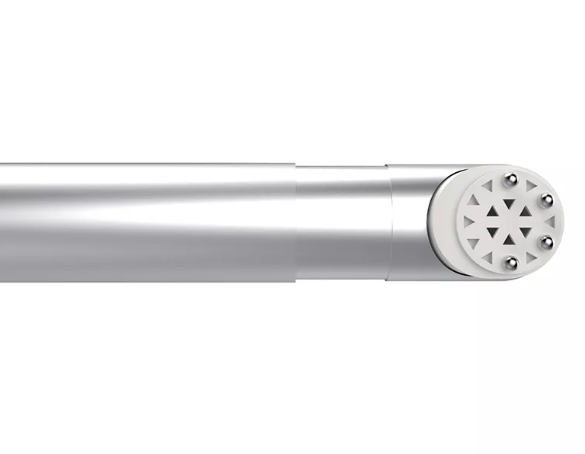
Safety in electrosurgery is critical for both patients and surgical teams. The first step is ensuring all equipment functions properly. This includes checking the electrosurgical generator, active electrodes, and return electrodes before use. The return electrode (also called dispersive or grounding pad) must be placed on a clean, dry, and well-vascularized skin area to prevent burns. Avoid bony prominences or scarred tissue, as these increase resistance and risk injury.
Always use the lowest effective power setting to achieve the desired tissue effect. High power settings increase the risk of unintended thermal damage. Surgeons and staff should be trained in electrosurgical principles and device operation. Clear communication during procedures helps avoid accidental activation or misuse.
Proper skin preparation is essential. Alcohol-based antiseptics must be fully dry before activating the electrosurgical unit to prevent ignition. Remove all metallic objects from the patient and surgical field to avoid alternate current pathways that cause burns.
Burns are the most common electrosurgical injury. They occur mainly from alternate site burns and return electrode burns.
Alternate Site Burns: These happen when electrical current takes an unintended path through monitoring devices, jewelry, or metal instruments. To prevent this, keep metal objects away from the patient and electrode path. Avoid placing ECG leads or temperature probes between the active electrode and return pad.
Return Electrode Burns: These burns arise if the grounding pad is improperly placed, has poor contact, or is dried out. Use return electrodes with built-in monitoring systems that detect poor contact and disable the generator if needed. Inspect the pad and skin before use and reposition if necessary.
Prolonged Electrode Contact: Holding the active electrode in one spot too long can cause deep thermal injury. Use intermittent activation and move the electrode steadily.
Equipment Integrity: Regularly inspect cables and handpieces for damage or insulation defects that may cause leakage current or arcing.
Electrosurgery generates surgical smoke, which contains harmful chemicals, viruses, and bacteria. Exposure can cause respiratory irritation and infection risks for staff.
To reduce smoke hazards:
Use smoke evacuators or suction devices near the electrode tip to capture smoke at the source.
Ensure adequate operating room ventilation.
Staff should wear masks with appropriate filtration.
Minimize electrosurgical activation time to reduce smoke volume.
Electrosurgical electrodes can carry infectious agents if reused without proper sterilization. Always follow strict sterilization protocols or use disposable electrodes. Avoid reusing electrodes on multiple patients without sterilization to prevent disease transmission.
Electrosurgical electrodes have evolved significantly to improve precision, safety, and efficiency during surgery. Recent designs focus on optimizing current flow and minimizing thermal damage to surrounding tissues. For instance:
Advanced Tip Geometries: New electrodes feature ultra-sharp needle tips or fine blades that concentrate electrical energy more effectively. This precision reduces collateral tissue damage during cutting.
Coated Electrodes: Titanium nitride or other biocompatible coatings reduce tissue sticking and charring. This keeps the electrode surface cleaner, maintaining consistent performance throughout procedures.
Integrated Sensors: Some electrodes now include temperature or impedance sensors that provide real-time feedback. Surgeons can adjust settings dynamically to avoid overheating or unintended burns.
Disposable Electrodes: Single-use electrodes reduce infection risk and ensure consistent sharpness and conductivity, eliminating concerns about wear or sterilization damage.
These innovations enhance control over electrosurgical effects, making procedures safer and more predictable.
Technological improvements in electrodes and electrosurgical units have positively affected surgical outcomes by:
Reducing Operative Time: Precise cutting and coagulation reduce bleeding and improve visibility, speeding up surgeries.
Minimizing Thermal Injury: Better electrode designs and real-time monitoring limit lateral heat spread, preserving healthy tissue.
Enhancing Hemostasis: Improved coagulation electrodes seal vessels more effectively, reducing postoperative bleeding and complications.
Lowering Infection Risks: Disposable and coated electrodes reduce tissue trauma and contamination, promoting faster healing.
Supporting Minimally Invasive Techniques: Smaller, more precise electrodes suit laparoscopic and endoscopic procedures, expanding electrosurgery's applications.
These benefits translate to faster patient recovery, lower complication rates, and improved overall surgical success.
Looking ahead, electrosurgical electrode technology is likely to embrace:
Smart Electrodes: Integration of AI and machine learning to automatically adjust power and waveform based on tissue feedback.
Wireless Energy Delivery: Advancements may allow wireless or contactless energy transfer, reducing cable clutter and improving maneuverability.
Nanomaterial Coatings: Use of nanotechnology to create ultra-smooth, non-stick surfaces that further reduce tissue adhesion and improve conductivity.
Hybrid Devices: Combining electrosurgery with other energy modalities like ultrasonic or laser for multifunctional surgical tools.
Personalized Electrosurgery: Tailoring electrode design and settings to individual patient tissue characteristics for optimal outcomes.
These trends aim to make electrosurgery safer, more efficient, and adaptable to evolving surgical demands.
Understanding the principles of cutting and coagulation is crucial in electrosurgery. Cutting involves high-frequency currents for precise tissue incision, while coagulation uses modulated currents to control bleeding. Electrosurgical electrodes play a vital role in surgery, offering precision and minimizing tissue damage. Safety measures are essential to prevent burns and ensure patient safety. Companies like Xishan provide advanced electrosurgical electrodes, enhancing surgical outcomes with innovative designs and real-time feedback features, ensuring precision and safety in medical procedures.
A: An electrosurgical electrode is a specialized tool used in surgery to deliver electrical current for cutting or coagulating tissue.
A: Monopolar electrodes function by passing current through the patient to a return electrode, allowing versatile cutting and coagulation.
A: Bipolar electrodes limit the electrical circuit to the tissue between two tips, enhancing safety by reducing unintended current spread.
A: Common materials include stainless steel, tungsten, platinum, and iridium, chosen for conductivity and temperature resistance.


 +86-23-65764808